Canine Parvovirus (Parvo) in Dogs
Canine parvovirus, commonly known as parvo, is a highly contagious virus that can cause serious illness in dogs. It mainly affects the digestive system, causing vomiting, diarrhoea, dehydration and, in severe cases, life-threatening complications. Puppies and dogs that have not been fully vaccinated are particularly at risk. Parvovirus spreads through contact with infected faeces and contaminated surfaces, including soil, grass, shoes and other objects. The virus can survive in the environment for long periods, making places where dogs regularly gather potential sources of exposure.
Cases of canine parvovirus have been reported across Perth, reminding dog owners of the importance of keeping vaccinations up to date and recognising the early signs of infection.
At
Belmont Vet Hospital in Perth, we encourage dog owners to seek veterinary advice as soon as symptoms appear. Early diagnosis and treatment can improve a dog's chances of recovery. Understanding how parvovirus spreads, what symptoms to look for and how vaccination helps protect your dog can make a real difference.
What Is Canine Parvovirus?
Canine parvovirus is a virus that attacks rapidly dividing cells in a dog's body, particularly those lining the small intestine. These cells help absorb nutrients and maintain a protective barrier against bacteria. When the virus damages them, the intestine becomes inflamed and struggles to function properly. This damage can lead to fluid loss, poor nutrient absorption and an increased risk of bacteria entering the bloodstream. In young puppies, the virus can also affect the bone marrow, reducing the number of white blood cells available to fight infection.
The illness can
progress quickly, sometimes within 24 to 48 hours of the first symptoms appearing. Dogs with
severe infections may need hospitalisation, intravenous fluids and medication to manage complications while their immune system fights the virus. With prompt veterinary treatment, many dogs recover, although the outcome depends on factors such as their age, overall health and the severity of the infection.
Is Canine Parvovirus a Risk in Perth?
Canine parvovirus is an ongoing concern for dog owners across Perth. In September and October 2026, confirmed cases were reported in Perth's northern suburbs, including Balga and Wanneroo. These incidents highlight how the virus continues to circulate within the local dog population.
Dogs can be exposed to parvovirus in public spaces such as dog parks, walking trails and shared exercise areas where infected dogs may have been. The virus can remain infectious in contaminated soil and other environments for months, even after the infected dog has left the area.
For Perth dog owners, keeping
vaccinations up to date is one of the most effective ways to reduce the risk of infection. This is particularly important for puppies that are still completing their initial vaccination course. If you're unsure whether your dog is adequately protected, your veterinarian can review their vaccination history and advise on any vaccinations they may need.
How Do Dogs Catch Parvovirus?
Dogs catch parvovirus when they swallow virus particles shed in the faeces of an infected dog. This can happen when a dog sniffs or licks contaminated ground, objects or its own paws after walking through an affected area. Even a small amount of infected faecal material can spread the virus. Dog parks, footpaths, shared exercise areas and other places where dogs regularly gather can become contaminated. The virus can also be carried into homes and backyards on shoes, clothing, dog leads and other items that have come into contact with infected material.
An infected dog can begin shedding the virus before showing symptoms and may continue shedding it for around 10 days after recovering. This means an area can become contaminated before anyone realises a dog is unwell.
Parvovirus
is also difficult to eliminate from the environment. Many everyday household cleaning products are ineffective against it, so contaminated surfaces need to be cleaned and disinfected using a product proven to kill
canine parvovirus. Grass, soil and other outdoor surfaces are particularly difficult to disinfect thoroughly.
What Are the Symptoms of Parvovirus in Dogs?
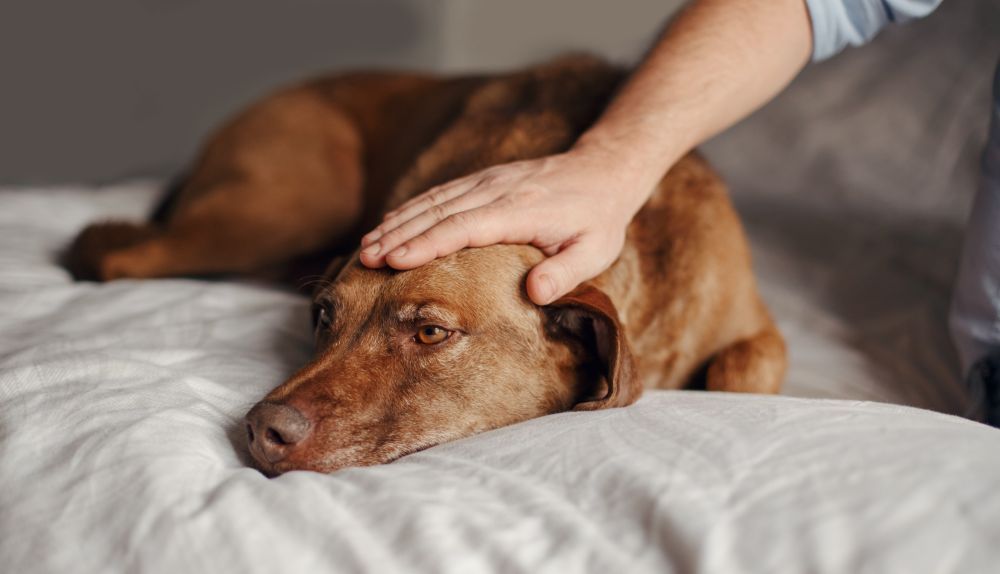
The first signs of parvovirus can be easy to miss. Your dog may seem unusually tired, lose interest in food or become less playful than usual. Some dogs also develop a fever. As the infection progresses, vomiting and diarrhoea often follow, sometimes within a matter of hours. Common symptoms of canine parvovirus include:
- Lethargy: Your dog may sleep more than usual, appear weak or show little interest in normal activities.
- Loss of appetite: Dogs may refuse food or treats they would normally enjoy.
- Vomiting: Repeated vomiting can make it difficult for your dog to keep food or water down.
- Diarrhoea: Stools may become frequent, watery and sometimes bloody, often with a strong, unpleasant smell.
- Abdominal pain: Your dog may appear uncomfortable, hunch its back or react when its abdomen is touched.
- Fever: Some dogs develop a high temperature, while severely ill dogs may have an abnormally low body temperature.
When Should You Seek Urgent Veterinary Care?
Parvovirus can cause rapid fluid loss through vomiting and diarrhoea, leading to severe dehydration. As the illness progresses, some dogs develop pale gums, extreme weakness or signs of shock. These complications require immediate veterinary attention.
If your dog develops repeated vomiting, diarrhoea or sudden lethargy, contact your veterinarian immidiately, particularly if you have a young puppy or a dog that has not completed its vaccinations. Early symptoms can resemble other digestive illnesses, so a veterinary examination and appropriate testing are needed to identify the cause.
If you suspect
parvovirus, call Belmont Vet Hospital on
(08) 9277 4966 before bringing your dog in. This allows our team to advise you on the next steps and arrange appropriate precautions to help protect other dogs at the clinic.
Which Dogs Are Most at Risk?
Puppies under six months of age are particularly vulnerable to canine parvovirus. Their immune systems are still developing, and the protection they receive from their mother's antibodies gradually decreases during their first weeks of life. This creates a period when puppies may be susceptible to infection while completing their vaccinations.
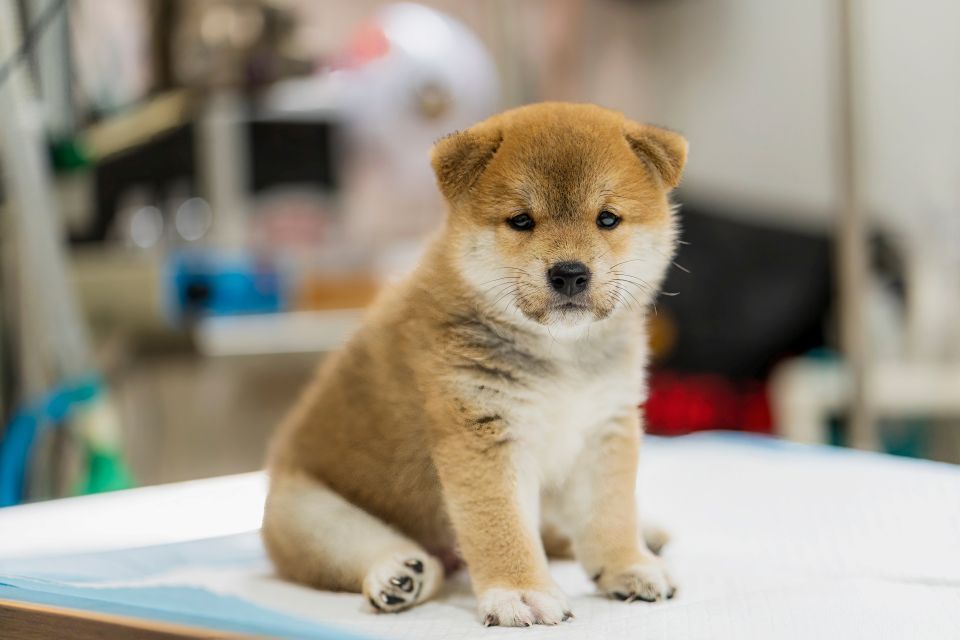
Puppies usually receive a series of vaccinations starting at around six to eight weeks of age, with further doses given every few weeks until at least 16 weeks of age. The timing can vary depending on the puppy's health, vaccination history and veterinary recommendations. Until the course is complete and sufficient time has passed for immunity to develop, puppies may remain vulnerable to parvovirus.
Adult dogs that have never been vaccinated, have an incomplete vaccination history or have missed recommended vaccinations may also be at greater risk. Dogs with weakened immune systems can be more susceptible to severe illness.
Certain breeds, including
Rottweilers,
Doberman Pinschers and
American Pit Bull Terriers, have historically been reported to experience more severe
parvovirus
infections. However, dogs of any breed can become infected, making appropriate vaccination important throughout their lives.
How Is Canine Parvovirus Diagnosed?
If your veterinarian suspects parvovirus, they will begin by examining your dog and asking about their symptoms, vaccination history and any possible exposure to infected dogs. The examination may include checking your dog's temperature, hydration levels, heart rate and abdomen to assess how unwell they are.
A common way to diagnose parvovirus is through a faecal antigen test. This involves collecting a small stool sample and testing it for evidence of the virus. Many veterinary clinics use rapid tests that can provide results during the consultation. In some cases, a dog with parvovirus may initially test negative, particularly early in the infection or when the amount of virus being shed is low. Your veterinarian may recommend repeating the test or sending a sample to a laboratory for PCR testing if parvovirus is still suspected.
Blood tests may also be recommended to assess the severity of the illness. These can identify changes in white blood cell counts, electrolyte levels and blood glucose, which help the veterinarian determine the level of care your dog needs. Additional tests or imaging may be used if other conditions could be contributing to the symptoms.
Can Parvovirus Be Treated?
Dogs with parvovirus can recover with prompt veterinary treatment, although severe cases may require several days in hospital. Treatment focuses on keeping the dog stable, managing symptoms and preventing complications while the immune system fights the infection.
Fluid therapy is one of the most important parts of treatment. Dogs with parvovirus can lose large amounts of fluid and essential electrolytes through vomiting and diarrhoea. Intravenous (IV) fluids help replace these losses, maintain circulation and support organ function.
Veterinarians may also prescribe anti-nausea medication to control vomiting and make the dog more comfortable. Antibiotics are sometimes needed because damage to the intestinal lining can allow bacteria to enter the bloodstream. Dogs that struggle to eat may require nutritional support to help maintain their strength during recovery.
Throughout treatment, the veterinary team monitors hydration, body temperature, blood glucose and electrolyte levels. Blood tests may be repeated to assess how the dog is responding and whether treatment needs adjusting.
Recovery times vary depending on the severity of the infection and the dog's overall health. Many dogs that respond well to treatment begin improving within a few days, although some need longer hospital stays. Once home, they may require a gradual return to normal feeding, rest and follow-up veterinary care.
How Can You Protect Your Dog From Parvovirus?
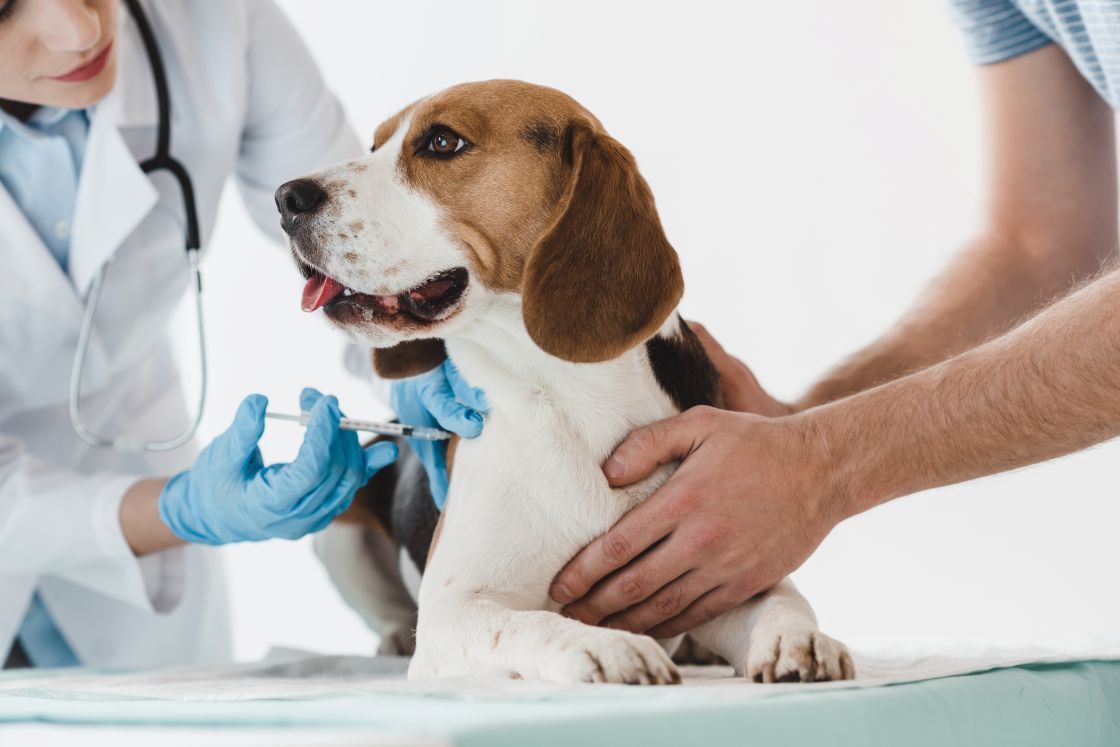
Vaccination is the most effective way to protect dogs against canine parvovirus. The vaccine is included in the routine C3 vaccination, which also protects against canine distemper and infectious canine hepatitis.
Puppies need several vaccinations during their first few months because antibodies passed on from their mother can interfere with how well early vaccines work. Your veterinarian will recommend a schedule based on your puppy's age and individual needs, followed by a booster and ongoing vaccinations as recommended.
For adult dogs, keeping vaccinations current helps maintain protection. If you've adopted a dog with an unknown vaccination history or are unsure when your dog's last vaccination was given, your veterinarian can advise whether additional doses are needed.
Good hygiene also helps reduce the risk of infection. Pick up dog faeces promptly, clean food and water bowls regularly, and avoid sharing equipment with dogs that may be unwell. If parvovirus has been diagnosed in your household, ask your veterinarian which disinfectants to use and how to manage contaminated areas safely.
For puppies still completing their vaccinations, choose controlled environments for early socialisation. Meeting healthy, fully vaccinated dogs in a clean, private setting can help puppies develop social skills while limiting their exposure to potentially contaminated public spaces. Your veterinarian can advise when your puppy is ready to explore dog parks and other shared areas.
When Should You Contact a Vet?
Contact a veterinarian as soon as your dog develops symptoms that could indicate parvovirus, particularly repeated vomiting, diarrhoea, loss of appetite or unusual weakness. Puppies can deteriorate quickly, so even mild symptoms deserve prompt attention.
If your dog is unable to keep water down, has bloody diarrhoea, becomes extremely weak or collapses, seek emergency veterinary care immediately. These signs can indicate severe dehydration or other complications that need urgent treatment.
Call us on (08) 9277 4966 if your dog has been exposed to a confirmed parvovirus case, even if they appear healthy. Our vets can assess the risk based on their age, vaccination history and the circumstances of the exposure.
Emergency Veterinary Care at Belmont Ave Veterinary Hospital
If your dog is showing signs of parvovirus, Belmont Ave Veterinary Hospital in Perth provides emergency veterinary care for dogs requiring urgent medical attention. If you suspect parvovirus, please call our hospital before arriving. This allows our team to prepare for your dog's arrival and take appropriate infection-control precautions to protect other dogs.
Early veterinary attention can make a significant difference to your dog's recovery. Call Belmont Ave Veterinary Hospital on (08) 9277 4966 if you're concerned about your dog's health or need urgent veterinary assistance.