My Cat Isn’t Eating – Should I Be Concerned?
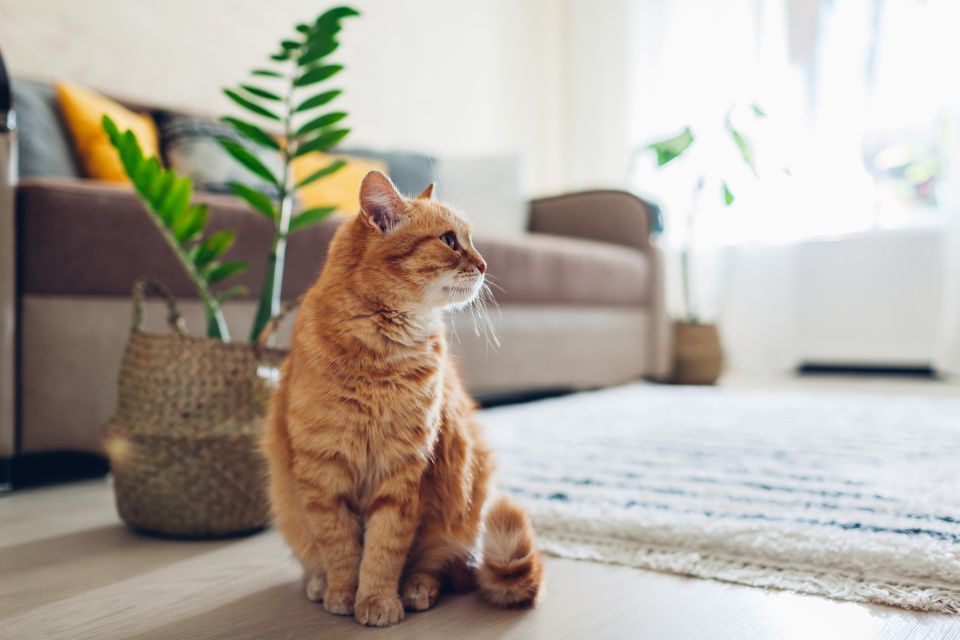
It can be worrying to notice your cat suddenly turning away from their food, especially if they are usually eager at mealtimes. One missed meal might not seem like a big deal, but when it continues or feels out of character, it is natural to start asking whether something is wrong.
The tricky part with cats is that they are very good at hiding discomfort. A reduced appetite is often one of the first signs that something is not quite right, whether it is something minor like stress or something that needs medical attention.
In some cases, a cat skipping food for a short time can be harmless. In others, it can become serious quite quickly, particularly for kittens or older cats. Knowing what is normal, what to watch for, and when to act can make all the difference in keeping your cat healthy.
Is It Normal for Cats to Skip a Meal?
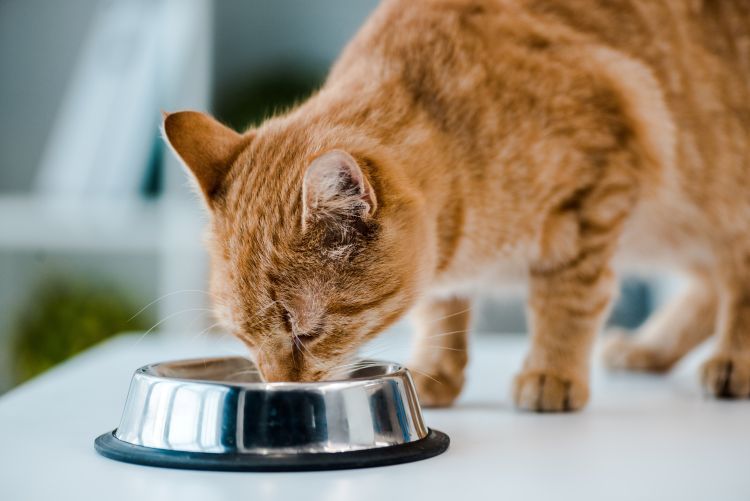
Yes, it can be normal for a cat to occasionally skip a meal. Just like people, cats can have small fluctuations in appetite from time to time. A brief change in routine, a warm day, or even mild stress can be enough to put them off their food for a short period.
However, what matters most is how long it lasts and whether anything else seems off. If your cat misses one meal but is otherwise acting normally, drinking water, and returning to food later, it is usually not a cause for concern.
Cats are creatures of habit, so even small changes can affect their appetite. Things like moving food bowls, introducing a new pet, or switching food too quickly can lead to temporary fussiness.
That said, cats are not built to go long without eating. Unlike dogs, they can develop health issues more quickly if their appetite does not return. If your cat skips more than one meal or goes a full day without eating, it is a sign to pay closer attention and consider the next steps.
How Long Can a Cat Safely Go Without Eating?
Cats are not designed to go long without food, and even a short period of not eating can start to cause problems. As a general guide, anything beyond 24 hours without food should be taken seriously, especially for kittens, older cats, or those with existing health issues.
One of the main concerns is a condition called Hepatic Lipidosis, also known as fatty liver disease. This can develop when a cat stops eating and their body begins breaking down fat too quickly. It can become life-threatening if not treated early, which is why appetite loss in cats is never something to ignore.
Kittens are even more vulnerable. Because they have smaller energy reserves, they can become weak and unwell much faster, sometimes within just 12–24 hours of not eating.
If your cat has gone a full day without food or eating significantly less than usual for more than a day or two, it is best to act early rather than wait.
Common Reasons Your Cat Isn’t Eating
When a cat stops eating, there is usually a reason behind it. Sometimes it is something simple that resolves quickly, and other times it can point to an underlying issue that needs attention. The key is to look at the bigger picture, what has changed, and how your cat is behaving overall.
Stress or Changes at Home
Cats are sensitive to their environment, and even small changes can affect their appetite. Moving house, introducing a new pet, having visitors over, or even rearranging furniture can make a cat feel unsettled. When stressed, some cats will hide, become quieter than usual, or lose interest in food altogether. Once things settle, their appetite often returns.
Changes in Food or Feeding Routine
Cats can be particular about what they eat. A sudden switch in food, even if it is a better-quality option, can lead to them refusing it. Changes in feeding times, bowl location, or even the type of bowl can also make a difference. Cats thrive on consistency, so any disruption to their routine can show up at mealtime.
Dental Pain or Mouth Problems
If eating is uncomfortable, many cats will simply avoid it. Dental issues such as sore gums, broken teeth, or infections can make chewing painful. You might notice your cat approaching food but not eating, dropping food from their mouth, or favouring softer foods. Bad breath can also be a sign something is not right.
Illness or Underlying Health Conditions
A loss of appetite is often one of the first signs that a cat is unwell. This could range from mild digestive upset to more serious conditions affecting organs like the kidneys or liver. Because cats tend to hide illness, appetite changes are sometimes the earliest and most noticeable clue that something needs checking.
Recent Vaccination or Medication
It is not uncommon for cats to eat a little less after a vaccination or when starting new medication. This is usually temporary and should resolve within a day or so. If the reduced appetite continues beyond that, or if other symptoms appear, it is worth following up with us. Call us on 08 9277 4966 for care during regular opening hours, including weekends.
Hairballs or Digestive Discomfort
Hairballs and mild stomach issues can also affect appetite. If your cat is feeling nauseous or uncomfortable, they may avoid food until they feel better. You might notice signs like gagging, vomiting, or general restlessness alongside a reduced appetite.
Warning Signs That Need Immediate Attention
While some appetite changes can be mild or short-lived, there are times when not eating is a clear sign something more serious is going on. Cats can deteriorate quickly, so recognising the warning signs early is important. If your cat has stopped eating and you notice any of the following, it is best to seek veterinary care as soon as possible:
- Not eating for more than 24 hours
Especially important for kittens, older cats, or cats with existing health conditions - Lethargy or unusual behaviour
Hiding, sleeping more than usual, or seeming withdrawn - Vomiting or diarrhoea
Ongoing or repeated episodes alongside loss of appetite - Rapid or noticeable weight loss
Even small changes can be significant in cats - Drooling, pawing at the mouth, or difficulty eating
Signs that may point to dental pain or oral issues - Laboured breathing or weakness
Any change in breathing or energy levels should be taken seriously
If something feels off, trust your instincts. Cats are subtle when they are unwell, and a loss of appetite is often one of the earliest signs. Acting early can make a big difference in identifying the cause and getting your cat back to normal quickly. If your cat isn’t eating and you’re concerned, contact
Belmont Ave Vet Hospital in Perth on
08 9277 4966 for prompt care during regular opening hours, including weekends.
What You Can Try at Home First
If your cat has only recently gone off their food and seems otherwise normal, a few simple changes can often help get them eating again.
Start by offering fresh food or trying a different type, such as switching between wet and dry. Some cats respond better to a change in texture or flavour, especially if they have become fussy.
You can also warm the food slightly. This helps release the aroma, which is a big trigger for a cat’s appetite. Even a small increase in smell can make the food more appealing.
Make sure your cat has a quiet, stress-free place to eat. Keep their feeding area away from noise, other pets, and busy parts of the home so they feel comfortable and relaxed at mealtime.
Finally, always ensure fresh water is available. Hydration plays an important role in overall health and can also influence appetite.
If your cat still shows little interest in food after trying these steps, or their appetite does not return within a short time, it is best to have them checked our vets. For
veterinary care in Perth, call
08 9277 4966(weekend appoitnments available).
What NOT to Do
When your cat isn’t eating, it’s natural to want to fix it quickly. But some well-meaning actions can actually make things worse or delay proper care.
Don’t force feed
Trying to force food into your cat can cause stress and even lead to choking or food aversion. If your cat is refusing food, there is usually a reason, and forcing it won’t address the underlying issue.
Don’t keep switching foods constantly
While offering a different option can help, changing foods too often can confuse your cat and make them even more reluctant to eat. It can also upset their stomach. Stick to simple, controlled changes rather than trying multiple options at once.
Don’t wait too long if symptoms persist
Cats can become unwell quickly when they stop eating. If their appetite doesn’t return within a short period, or you notice other symptoms, delaying a vet visit can make the situation more serious and harder to treat.
When to See a Vet
If your cat’s appetite does not return quickly, it is important not to wait too long before seeking professional advice. As a general guide, if your cat has not eaten for 24 hours, call our Perth veterinary clinic on 08 9277 4966. For kittens, older cats, or pets with existing health issues, you should act even sooner.
You should also see a vet straight away if your cat is showing other symptoms alongside not eating, such as vomiting, diarrhoea, lethargy, weight loss, or signs of pain. These can indicate an underlying issue that needs prompt attention.
Even if the cause turns out to be minor, it is always better to rule out anything serious early. Appetite loss is often one of the first signs that something is not right, and early treatment can make a big difference in recovery.
________________________________________
Concerned About Your Cat Not Eating?
The team at Belmont Ave Vet Hospital in Perth can help identify the cause and get your cat back to feeling like themselves again. Book an appointment today for a thorough check and peace of mind. For urgent cases, call 08 9277 4966.