Helping Cats With Osteoarthritis Live More Comfortably
As high as 90% of cats over 12 years of age have some form of arthritis.
Cats are known for their agility. They leap onto benches, climb furniture and move with effortless grace. So when a cat starts jumping less, sleeping more or avoiding their usual favourite spots, it can be easy to assume they are simply slowing down with age. In many cases, however, these subtle changes may be linked to osteoarthritis.
Osteoarthritis in cats is more common than many owners realise. It develops when the cartilage that cushions the joints gradually wears down, leading to inflammation, stiffness and discomfort. Unlike dogs, cats rarely show obvious signs of pain, which means the condition often goes unnoticed for a long time.
The good news is that with the right care and adjustments at home, many cats with osteoarthritis can continue to live comfortable and happy lives. Recognising the early signs and understanding how the condition affects your cat is the first step in helping them stay mobile and pain free.
What Is Osteoarthritis in Cats?
Osteoarthritis in cats is a long term joint condition that causes pain, stiffness and reduced mobility. It occurs when the protective cartilage that covers the ends of the bones inside a joint gradually wears down. This cartilage normally allows joints to move smoothly and absorb the impact of everyday movements such as walking, jumping and climbing.
As the cartilage deteriorates, the bones within the joint begin to rub more closely against each other. This leads to inflammation, discomfort and changes in the joint structure over time. The joint may become stiff, swollen and less flexible, making movement more difficult for your cat.
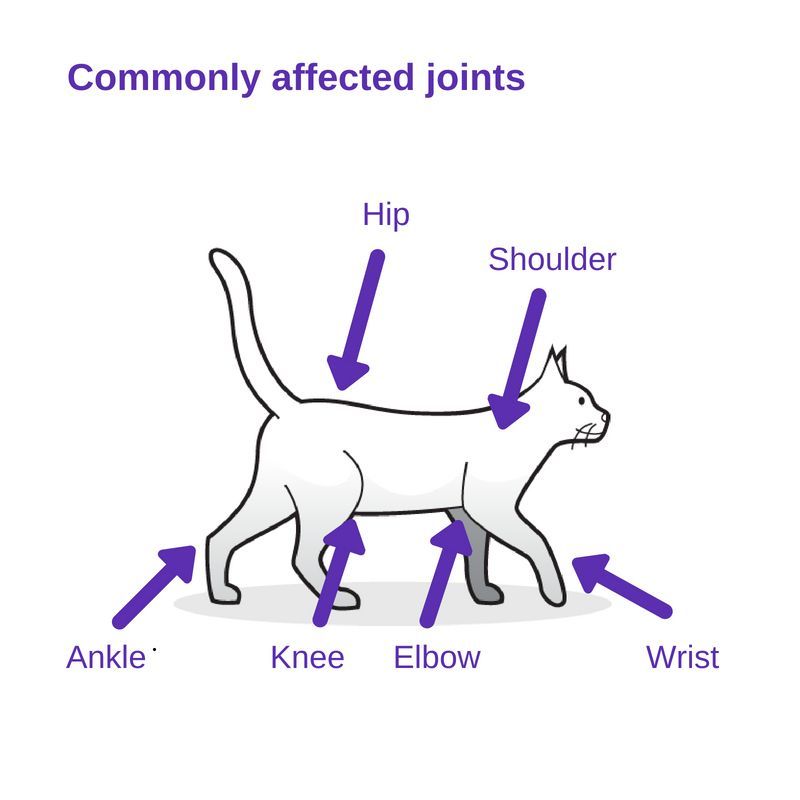
Osteoarthritis is sometimes referred to as degenerative joint disease because it tends to develop slowly and worsen over time. In cats, it commonly affects the hips, elbows, knees and spine, although any joint in the body can be affected.
Many people associate arthritis with older cats, but the condition can occur at any age. Previous injuries, joint abnormalities and excess body weight can all increase the risk of osteoarthritis developing earlier in life.
Although osteoarthritis cannot be reversed, early diagnosis and proper management can make a significant difference. With veterinary care, pain management and supportive changes at home, many cats with osteoarthritis are able to maintain a good quality of life.
How Common Is Osteoarthritis in Cats?
Osteoarthritis in cats is far more common than many people realise. Studies have shown that a large percentage of adult cats develop some degree of joint degeneration as they age. In fact, research suggests that most cats over the age of 10 show signs of osteoarthritis in at least one joint, even if the symptoms are subtle.
One of the main reasons the condition often goes unnoticed is that cats tend to hide pain very well. Unlike dogs, which may show obvious limping or reluctance to move, cats usually adapt their behaviour instead. They may simply jump less, sleep more, or avoid activities that put strain on their joints.
Because these changes can appear gradually, they are often mistaken for normal ageing. Many owners may not realise their cat is experiencing joint discomfort until the condition has progressed further.
Veterinarians are becoming increasingly aware that
osteoarthritis is a significant health issue for cats, particularly as pets are living longer lives. With greater awareness and earlier diagnosis, more cats are now receiving treatment that helps manage pain and improve mobility.
Why Arthritis Is Harder to Detect in Cats
Arthritis in cats can be difficult to recognise because cats naturally hide signs of pain. In the wild, showing weakness can make an animal vulnerable, so cats instinctively mask discomfort. Even when they are experiencing joint pain, many cats will try to behave as normally as possible.
Instead of showing obvious symptoms like limping, cats usually make small adjustments to their behaviour. They may stop jumping onto high surfaces, choose easier paths around the house, or spend more time resting. These changes can happen gradually, which makes them easy to overlook.
Cats are also generally less active than dogs, so subtle mobility problems may not stand out as clearly. A dog that refuses to run or climb stairs can be more noticeable, while a cat may simply reduce their activity without drawing attention to it.
Because of this, osteoarthritis in cats is often detected later than it is in dogs. Paying attention to changes in routine, movement or behaviour can help owners recognise when something may not be right. If a cat starts avoiding jumps, struggling to climb or becoming less playful, it may be worth discussing these changes with a veterinarian.
Signs Your Cat May Have Osteoarthritis
The signs of osteoarthritis in cats can be subtle and easy to miss. Because cats naturally hide pain, they rarely show obvious symptoms like limping. Instead, the condition often reveals itself through small changes in behaviour or daily habits.
Many owners first notice that their cat is not moving the same way they used to. Activities that were once effortless, such as jumping onto furniture or climbing stairs, may suddenly become less frequent. These changes often happen gradually, which is why they are sometimes mistaken for normal ageing.
Some common signs that may indicate osteoarthritis in cats include:
- Jumping less often or avoiding high surfaces
- Hesitating before jumping or climbing
- Sleeping more than usual
- Reduced interest in playing or exploring
- Stiffness after resting
- Difficulty climbing stairs or getting into favourite resting spots
You may also notice changes in your cat’s grooming or toileting habits. Cats with joint pain may struggle to reach certain parts of their body, especially their back or hind legs, which can lead to a less well groomed coat. Some cats may also have trouble getting in and out of the litter tray if the sides are too high.
Behavioural changes can occur as well. A cat experiencing discomfort may become more irritable, less social, or reluctant to be picked up or touched around certain areas of the body.
Because these signs can develop slowly, they are often overlooked. Paying attention to subtle shifts in your cat’s routine or mobility can help identify possible joint problems earlier, allowing for treatment that can greatly improve comfort and quality of life.
Which Cats Are Most at Risk?
Osteoarthritis can affect any cat, but some are more likely to develop joint problems than others. Factors such as age, body weight, previous injuries and overall joint health can all influence a cat’s risk of developing osteoarthritis.
Senior Cats
Older cats are the most commonly affected. As cats age, the cartilage that protects their joints naturally begins to wear down. Over time this can lead to inflammation, stiffness and reduced flexibility in the joints. This is why arthritis is often seen in cats over the age of 10.
Previous Joint Injuries
Cats that have experienced injuries involving the joints may be more prone to osteoarthritis later in life. Fractures, ligament damage or joint dislocations can alter the way a joint moves, which can gradually lead to cartilage damage and arthritis over time.
Overweight Cats
Excess body weight places additional pressure on a cat’s joints. Even a small amount of extra weight can increase stress on the hips, knees and spine, which can accelerate joint wear and make arthritis symptoms worse.
Certain Breed Predispositions
Some cat breeds may have a higher risk of joint problems due to their body structure or genetics. Large breeds such as Maine Coons, for example, can be more prone to conditions like hip dysplasia, which can increase the likelihood of osteoarthritis developing later in life.
How Veterinarians Diagnose Osteoarthritis in Cats
Diagnosing osteoarthritis in cats usually involves a combination of clinical examination, owner observations and sometimes imaging tests. Because cats often hide signs of pain, the information you provide about changes in your cat’s behaviour or mobility can be very helpful for your veterinarian.
Physical Examination
During the consultation, your veterinarian will perform a thorough physical examination. They will gently feel and move your cat’s joints to check for stiffness, swelling, reduced range of motion or signs of discomfort. Your vet may also observe how your cat walks, stands and moves to assess mobility and posture.
Behaviour Changes at Home
Since many of the signs of osteoarthritis appear at home rather than in the clinic, your veterinarian may ask about changes in your cat’s daily routine. This can include whether your cat is jumping less, avoiding stairs, sleeping more or showing reduced interest in play. These observations help your vet build a clearer picture of your cat’s joint health.
Diagnostic Imaging
In some cases, your veterinarian may recommend X-rays to confirm the diagnosis and evaluate the extent of joint changes. X-rays can reveal signs such as narrowing of joint spaces, bone changes and other structural changes associated with osteoarthritis. This information helps guide the most appropriate treatment plan for your cat.
Treatment Options for Osteoarthritis in Cats
Although osteoarthritis cannot be cured, there are several ways to manage the condition and improve your cat’s comfort and mobility. Treatment usually focuses on reducing pain, supporting joint health and helping cats move more easily. Most cats benefit from a combination of treatments rather than relying on a single approach.
Veterinary Pain Relief Medications
Pain management is often the most important part of treating osteoarthritis in cats. Veterinarians may prescribe medications that help reduce inflammation and relieve joint pain. These medications can make everyday movements more comfortable and improve your cat’s willingness to move, jump and play.
Joint Supplements
Joint supplements may be recommended to support cartilage health and reduce inflammation. Ingredients such as glucosamine, chondroitin and omega fatty acids are commonly used to support joint function. While supplements do not repair damaged joints, they can help support long term joint health as part of an overall treatment plan.
Weight Management
Maintaining a healthy weight is essential for cats with osteoarthritis. Extra body weight places additional pressure on the joints, particularly the hips, knees and spine. Gradual weight loss in overweight cats can significantly reduce joint stress and improve mobility.
Physiotherapy and Rehabilitation
Some cats benefit from supportive therapies that help strengthen the muscles around the joints and improve flexibility. These may include gentle physiotherapy exercises, massage or laser therapy. These treatments aim to improve movement while reducing discomfort.
Environmental and Lifestyle Adjustments
Making small adjustments at home can also play a major role in managing osteoarthritis. Providing soft bedding, easy access to favourite resting spots and ramps or steps can help reduce strain on painful joints. These changes help cats stay comfortable while continuing their normal daily activities.
With proper management and ongoing care, many cats with osteoarthritis can continue to live comfortable and happy lives. Early treatment often leads to better long term outcomes and helps slow the progression of joint damage.
Concerned Your Cat May Have Osteoarthritis?
If your cat has started jumping less, avoiding stairs, or showing changes in their daily routine, it may be a sign of osteoarthritis. Because cats often hide discomfort, these subtle changes can sometimes be the only clues that joint pain is developing.
Early assessment can help identify the cause of your cat’s mobility changes and allow treatment to begin before the condition progresses further. Managing osteoarthritis early can greatly improve your cat’s comfort, movement and overall quality of life.
At Belmont Avenue Vet Hospital, our veterinary team can assess your cat’s joints, discuss the changes you have noticed at home, and recommend a personalised treatment plan to help manage arthritis. From pain relief and joint support to practical advice for caring for your cat at home, we focus on helping your cat stay comfortable and active.
If you are concerned about changes in your cat’s movement or behaviour, book a consultation with Belmont Avenue Vet Hospital and let our team help your cat live more comfortably.