Complete Vaccination Schedule for Puppies and Kittens
Bringing a new puppy or kitten home is exciting, but it also comes with an important responsibility, protecting their health from the very beginning. One of the most effective ways to do this is by following the right vaccination schedule early in life. These first vaccinations play a critical role in building your pet’s immune system while they are still vulnerable to infections.
Puppies and kittens are especially at risk of contracting serious diseases such as parvovirus in dogs or feline flu in cats. Many of these illnesses are highly contagious and can become life-threatening if left unprotected. Vaccinations give your pet the defence they need before they are exposed to the outside world, whether that is during walks, visits to the park, or interactions with other animals.
Vaccination schedules are not always one-size-fits-all. Your pet’s lifestyle, environment, and level of social exposure all influence what they need and when. For example, a dog that regularly goes to daycare or the beach may require additional protection compared to one that stays mostly at home. The same applies to indoor versus outdoor cats.
Starting early and staying on track with vaccinations helps set the foundation for a long, healthy life. If you are unsure where to begin, book your pet’s first visit with our
vet clinic in Perth.
Why Vaccinations Are Important for Puppies and Kittens
Vaccinations are one of the simplest and most effective ways to protect your puppy or kitten from serious illness. At a young age, their immune systems are still developing, which makes them far more vulnerable to infections that older, fully vaccinated pets can fight off more easily.
Vaccines work by safely introducing a small, inactive part of a virus or bacteria into your pet’s body. This trains their immune system to recognise and respond quickly if they are ever exposed to the real disease. Without this protection, even a brief encounter at a park, boarding facility, or from another animal can lead to infection.
For puppies, diseases like parvovirus and distemper are not only highly contagious but can also be fatal, particularly in the early months. For kittens, illnesses such as feline flu and panleukopenia spread quickly between cats and can cause severe complications. Many of these conditions are far more difficult and costly to treat than they are to prevent.
Vaccinations also play a role in protecting the wider pet community. By keeping your pet up to date, you help reduce the spread of disease to other animals, especially those that are too young or medically unable to be vaccinated. In some cases, vaccinations are required for everyday activities like boarding,
grooming, or attending dog parks and daycare. Staying on schedule not only protects your pet’s health, it also ensures they can safely enjoy these experiences as they grow.
Puppy Vaccination Schedule (Dog Vaccination Schedule)
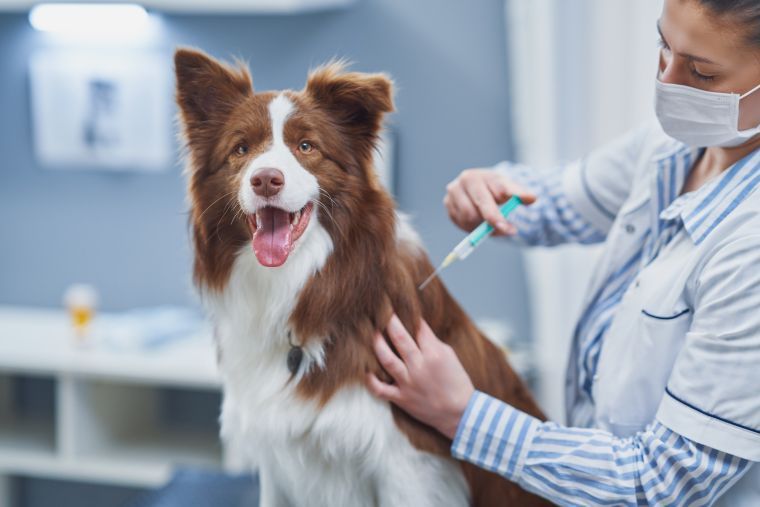
Puppies need a series of vaccinations in their first few months of life to build strong and lasting immunity. These are not given all at once, they are spaced out to ensure your puppy develops proper protection as the temporary immunity passed on from their mother begins to fade.
Following the right puppy vaccination schedule is important, especially in Australia where diseases like parvovirus are still a real risk in the community.
________________________________________
6–8 Weeks
This is usually your puppy’s first vaccination. At this stage, they receive protection against core diseases such as:
- Canine parvovirus
- Distemper
- Infectious hepatitis
These illnesses are highly contagious and can be life-threatening, particularly for young puppies. After this first vaccine, your puppy is not fully protected yet, so it is important to limit exposure to public areas and unfamiliar dogs.
________________________________________
10–12 Weeks
The second round of vaccinations acts as a booster, strengthening your puppy’s immunity as their maternal antibodies continue to decline. At this stage, we may also recommend additional vaccines depending on your puppy’s lifestyle, such as:
- Kennel cough (especially if socialising, attending daycare, or grooming)
You can usually begin gentle socialisation during this period, but it should be done carefully and in controlled environments.
________________________________________
14–16 Weeks
At 14–16 weeks, puppies receive their final core vaccination in the initial series, which typically includes:
- Canine parvovirus
- Distemper
- Infectious hepatitis (adenovirus)
This is often referred to as the final C3 or C5 vaccine, depending on what’s included. This vaccination is critical because it’s given after maternal antibodies have fully declined. Earlier vaccines can sometimes be partially blocked by those antibodies, so this final dose ensures your puppy develops full, long-lasting immunity.
May also include (depending on lifestyle):
- Kennel cough (Bordetella ± parainfluenza) if not already given
- Sometimes a booster of previous non-core vaccines
After this stage, your puppy can safely explore more of the world, including walks in public areas and interacting more freely with other dogs.
________________________________________
12 Months and Ongoing
A booster vaccination is required at around 12 months of age to reinforce immunity. After this, your dog will move onto an ongoing vaccination schedule.
Some vaccines are given annually, while others may last up to three years, depending on the type of vaccine and your dog’s risk factors. Our vets will recommend the most appropriate schedule based on your dog’s lifestyle, environment, and overall health.
________________________________________
Staying on track with your dog’s vaccination schedule is one of the most important steps you can take to protect them long-term. If your puppy has missed a vaccination or you are unsure where they are up to, it is best to have them assessed as soon as possible so the schedule can be safely continued.
Kitten Vaccination Schedule (Cat Vaccination Schedule)
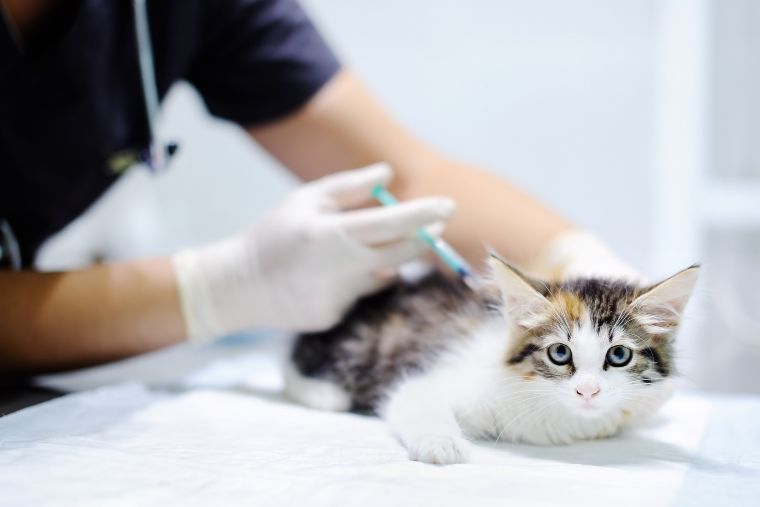
Kittens, like puppies, require a series of vaccinations early in life to build strong immunity against common and serious diseases. Even if your kitten will live mostly indoors, vaccinations are still essential, as many viruses can be brought into the home on clothing, shoes, or through contact with other animals.
A structured kitten vaccination schedule ensures your cat is protected during their most vulnerable stage and sets them up for long-term health.
6–8 Weeks
This is typically your kitten’s first vaccination. It provides protection against core feline diseases such as:
- Feline herpesvirus
- Calicivirus
- Panleukopenia (feline parvovirus)
These viruses are highly contagious and can spread quickly between cats, particularly in shared environments.
________________________________________
10–12 Weeks
The second vaccination boosts your kitten’s developing immunity and strengthens protection against the same core diseases. Depending on your kitten’s lifestyle, we may also recommend additional vaccines, such as:
- Feline leukaemia virus (FeLV), especially for kittens that will spend time outdoors or live with other cats
________________________________________
14–16 Weeks
This is the final vaccination in the initial kitten series. It ensures your kitten has built a strong and reliable immune response against core diseases.
- Feline herpesvirus (FHV-1)
- Calicivirus (FCV)
- Panleukopenia (feline parvovirus)
This is often referred to as the final F3 vaccine in Australia. Just like puppies, this final vaccination is timed to ensure maternal antibodies have worn off, allowing the vaccine to create a strong and lasting immune response. Without this final booster, protection may not be complete.
May also include:
- Feline leukaemia virus (FeLV) booster if your kitten is at risk (e.g. outdoor or multi-cat household)
After this stage, your kitten has a much higher level of protection, although ongoing care and monitoring are still important.
________________________________________
12 Months and Ongoing
A booster is required at around 12 months of age to maintain immunity. After that, your cat will continue on a regular vaccination schedule, which may be annual or less frequent depending on the vaccine type and their lifestyle. For example, outdoor cats or those in multi-cat households may require more frequent protection compared to strictly indoor cats.
________________________________________
Keeping your cat up to date with vaccinations is a simple but important part of responsible pet ownership. If you are unsure what your kitten needs or when their next vaccination is due, a check with our Veterinary Clinic in Perth. Call 08 9277 4966 or book an appointment online.
Core vs Non-Core Vaccines
Not every vaccine is the same, and not every pet needs every vaccine. That is why vaccinations are generally grouped into core and non-core categories. Understanding the difference helps you make informed decisions about your puppy or kitten’s care.
What Are Core Vaccines?
Core vaccines are considered essential for all pets, regardless of their lifestyle or environment. These protect against diseases that are widespread, highly contagious, or potentially life-threatening. For dogs, core vaccines typically include:
- Parvovirus
- Distemper
- Infectious hepatitis
For cats, core vaccines usually include:
- Feline herpesvirus
- Calicivirus
- Panleukopenia
These are the baseline protections every puppy and kitten should receive as part of their vaccination schedule.
What Are Non-Core Vaccines?
Non-core vaccines are recommended based on your pet’s lifestyle, environment, and risk of exposure. They are not necessary for every animal, but they can be very important in the right circumstances.Examples include:
- Dogs: Kennel cough (for social dogs, boarding, daycare)
- Cats: Feline leukaemia virus (for outdoor cats or multi-cat households)
We will assess factors such as:
- Whether your pet goes outdoors
- Exposure to other animals
- Boarding or grooming needs
- Local disease risks
Why This Matters for Your Pet
A one-size-fits-all approach does not work when it comes to vaccinations. Two pets of the same age can have very different needs depending on how they live.
For example, an indoor cat may not require the same level of protection as a cat that roams outside, while a dog that regularly visits parks or daycare may benefit from additional vaccines beyond the core schedule.
Are Vaccinations Safe for Puppies and Kittens?
Vaccinations for puppies and kittens are very safe and are an essential part of routine veterinary care. In Australia, vaccines are carefully tested and regulated before they are approved for use, and vets follow strict guidelines to ensure they are administered correctly. Most pets handle vaccinations without any issues. It is normal for puppies and kittens to experience mild, short-lived side effects such as:
- Slight tiredness or reduced energy
- Mild swelling at the injection site
- A temporary decrease in appetite
These reactions usually resolve within a day or two and are simply a sign that the immune system is responding as expected.
Serious reactions are very rare, but it is still important to know what to look out for. Signs such as vomiting, facial swelling, difficulty breathing, or persistent lethargy should be assessed by a vet as soon as possible. Belmont Ave Veterinary Hospital in Perth is well equipped to manage these situations if they occur. Before giving any vaccine, we will perform a health check to make sure your puppy or kitten is fit and well. This helps reduce the risk of complications and ensures the vaccine will be effective.
For most pets, the benefits of vaccination far outweigh the risks. Vaccines protect against diseases that can be severe, costly to treat, and in some cases life-threatening. Staying on schedule is one of the safest and most effective ways to give your pet a healthy start.
If you have any concerns about how your pet might react or have noticed a previous sensitivity, give our Perth Veterinary Clinic a call on 08 9277 4966.
How Much Do Puppy and Kitten Vaccinations Cost?
Vaccination costs in Perth can vary slightly, but on average you can expect:
- $100 to $150 per visit (including health check)
- $300 to $500 total for a full puppy vaccination course (3 visits)
- $250 to $400 total for a full kitten vaccination course
Ongoing boosters typically cost:
- $100 to $170 per year for dogs
- $80 to $140 per year for cats
Costs may vary depending on your pet’s needs and any additional vaccines recommended based on their lifestyle.
When Should You Book Your Pet’s Vaccinations?
Timing matters when it comes to vaccinations. Puppies and kittens should begin their vaccination schedule from around 6–8 weeks of age, with follow-up visits booked at the correct intervals to ensure full protection develops properly.
If you have just brought a new pet home, it is best to book an appointment as soon as possible. Even if they have already had their first vaccination with a breeder or shelter, we can confirm what has been given and plan the remaining schedule.
Staying on track is just as important as starting early. Delays between vaccinations can reduce their effectiveness, meaning your pet may not be fully protected when they need it most. If you are unsure whether your puppy or kitten is due, or if you have missed a vaccination, it is always better to check and get back on schedule rather than wait. Vaccinations also go hand in hand with regular health checks. These visits give us the chance to monitor your pet’s growth, answer any questions, and catch potential issues early.
Book Your Pet’s Vaccination
If your puppy or kitten is due for their first vaccination or you are unsure where they are up to, the team at Belmont Ave Vet Hospital in Perth is here to help.
We provide personalised vaccination plans, thorough health checks, and clear guidance so you can feel confident your pet is protected at every stage.
Book a vet appointment today and give your pet the best start to a long and healthy life. For urgent help, call us on
08 9277 4966.