Is Your Dog Slowing Down? It Could Be Osteoarthritis
Early signs are often overlooked by owners as "just getting old," delaying treatment.
It often starts with small changes. Your dog may take a little longer to get up in the morning, hesitate before jumping onto the couch, or seem less enthusiastic about walks they once loved. Many owners assume their dog is simply “getting older”, but slowing down is not always just a normal part of ageing.
One common cause behind these changes is osteoarthritis in dogs. This painful joint condition develops when the protective cartilage inside a joint gradually wears away, leading to inflammation, stiffness and reduced mobility. As the joints become more uncomfortable, everyday movements like walking, running or climbing stairs can become difficult.
The good news is that osteoarthritis can often be managed effectively when it is recognised early. With the right veterinary care, treatment plan and lifestyle adjustments, many dogs continue to live active, happy lives.
What Is Osteoarthritis in Dogs?
Osteoarthritis in dogs is a long term joint condition that causes pain, stiffness and reduced mobility. It develops when the smooth cartilage that cushions the ends of bones inside a joint gradually breaks down. This cartilage normally allows joints to move smoothly and absorb impact during everyday activities like walking, running and jumping.
When the cartilage becomes worn or damaged, the bones in the joint begin to rub against each other. This creates inflammation, discomfort and changes within the joint itself. Over time, the joint can become swollen, stiff and less flexible, making movement more difficult for your dog.
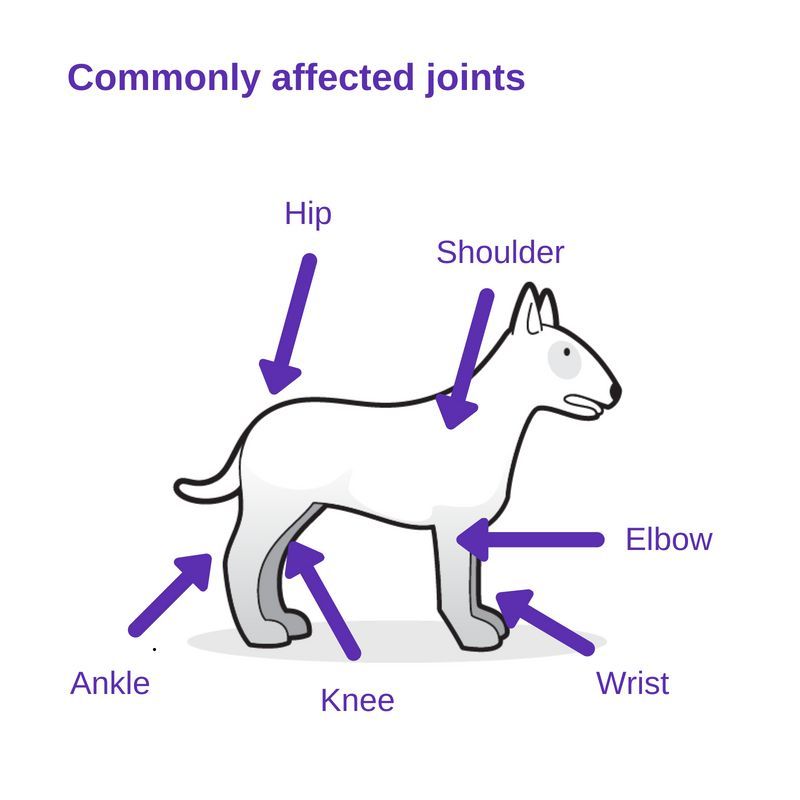
Osteoarthritis is sometimes called degenerative joint disease because it tends to worsen gradually over time. The condition most commonly affects joints that carry a lot of weight or movement, such as the hips, knees, elbows and spine.
While osteoarthritis is often seen in older dogs, it is not limited to senior pets. Dogs that have had previous joint injuries, ligament damage, or conditions like hip or elbow dysplasia may develop arthritis earlier in life. Larger breeds are also more prone to joint problems due to the increased stress placed on their joints.
Although osteoarthritis cannot be reversed, many dogs respond very well to proper management. With early diagnosis and the right treatment plan, it is often possible to reduce pain, improve mobility and help dogs maintain a good quality of life.
How Healthy Dog Joints Work
A healthy joint allows your dog to move freely, comfortably and without pain. Every time your dog runs, jumps, climbs stairs or simply walks across the room, their joints work smoothly to support that movement.
Inside each joint, the ends of the bones are covered with a layer of smooth cartilage. This cartilage acts like a protective cushion, preventing the bones from rubbing directly against each other. It also helps absorb impact when your dog moves or lands from a jump.
Joints are also surrounded by a capsule that contains synovial fluid. This thick fluid works like a natural lubricant, allowing the joint to move easily and reducing friction between the bones. Ligaments hold the bones together, while surrounding muscles help stabilise and control movement.
When everything is working as it should, the joint moves smoothly and your dog can run, play and exercise without discomfort. The cartilage protects the bones, the joint fluid keeps everything lubricated, and the muscles provide strength and support. This balanced system is what allows dogs to stay active and agile throughout their lives.
What Happens When Osteoarthritis Develops
Osteoarthritis develops when the protective cartilage inside a joint begins to break down over time. Instead of acting as a smooth cushion between the bones, the cartilage becomes thinner and rougher. As this protective layer wears away, the bones within the joint start to rub against each other during movement.
This friction triggers inflammation inside the joint. The surrounding tissues become irritated and swollen, which leads to pain and stiffness. Your dog may begin to move more cautiously or avoid certain activities because the joint no longer moves comfortably.
As the condition progresses, the body may attempt to stabilise the joint by forming small bony growths around the edges of the joint. These changes can make the joint less flexible and further restrict movement. The muscles around the affected joint may also weaken over time if the dog starts using that limb less.
Because
osteoarthritis develops gradually, the signs are often subtle at first. A dog may simply appear slower on walks or take longer to get up after resting. Over time, however, the discomfort can become more noticeable and start affecting everyday activities. Early recognition and treatment can help slow the progression and keep your dog more comfortable.
Signs Your Dog May Have Osteoarthritis
The signs of osteoarthritis in dogs often develop gradually. Because the condition progresses slowly, many owners may not notice the early symptoms at first. Dogs are also very good at hiding pain, which means subtle changes in behaviour or movement can easily be overlooked.
In the early stages, you may simply notice that your dog is not as energetic as they used to be. They may hesitate before jumping into the car, take longer to stand up after lying down, or show less enthusiasm for walks and playtime.
As the condition progresses, the symptoms usually become more noticeable. Common signs of osteoarthritis in dogs include:
- Stiffness, especially after resting or sleeping
- Slower movement during walks
- Difficulty getting up from a lying position
- Reluctance to jump, run or climb stairs
- Limping or favouring one leg
- Reduced activity or exercise tolerance
- Changes in posture or the way your dog walks
Some dogs may also show behavioural changes when they are uncomfortable. They might become more irritable, avoid being touched around certain joints, or prefer to rest more than usual.
These changes can happen gradually, which is why regular observation is important. If your dog appears to be slowing down, struggling with movement, or avoiding activities they once enjoyed, it may be worth having them checked by a veterinarian. Early diagnosis can help manage pain and improve your dog’s quality of life.
Which Dogs Are Most at Risk?
Osteoarthritis can affect dogs of any breed or age, but some dogs are more likely to develop joint problems than others. Several factors can increase the risk of osteoarthritis, including age, body weight, breed and previous joint injuries.
Age Related Osteoarthritis
Older dogs are the most commonly affected. As dogs age, the cartilage that protects their joints naturally begins to wear down. Over time this can lead to inflammation, stiffness and reduced mobility. This is why arthritis is often seen in senior dogs that have been active throughout their lives.
Large and Giant Breeds
Larger breeds tend to place more stress on their joints simply because of their size and weight. Breeds such as Labradors, Golden Retrievers, German Shepherds and Rottweilers are known to be more prone to osteoarthritis. The extra load on their joints can accelerate cartilage wear, especially as they get older.
Previous Injuries or Joint Conditions
Dogs that have experienced joint injuries are at a higher risk of developing arthritis later in life. Ligament tears, fractures, hip dysplasia and elbow dysplasia can all lead to changes in the joint that increase the likelihood of osteoarthritis developing over time.
Excess Weight
Carrying extra weight places additional strain on a dog’s joints. Even a small amount of excess weight can increase pressure on the hips, knees and elbows. Over time this added stress can speed up joint damage and make arthritis symptoms worse.
How Veterinarians Diagnose Osteoarthritis in Dogs
Diagnosing osteoarthritis in dogs usually involves a combination of observation, physical examination and sometimes imaging tests. Because the signs can develop gradually, the information you provide about your dog’s behaviour and mobility is often an important part of the process.
Physical Examination
During a consultation, your veterinarian will examine your dog’s joints, muscles and overall movement. They may gently move the joints to check for stiffness, swelling or signs of pain. Your vet will also watch how your dog walks, stands and sits to assess any changes in mobility or posture.
Medical History and Behaviour Changes
Owners often notice the earliest signs of osteoarthritis at home. Your veterinarian may ask questions about when the symptoms started, whether your dog is slowing down on walks, struggling to get up, or avoiding certain activities. These details help build a clearer picture of what may be happening in the joints.
Diagnostic Imaging
In some cases, your veterinarian may recommend X-rays to confirm the diagnosis and assess the severity of joint changes. X-rays can show signs such as joint space narrowing, bone changes and other structural abnormalities that occur with osteoarthritis. This information can help guide the most appropriate treatment plan for your dog.
Treatment Options for Osteoarthritis in Dogs
While osteoarthritis cannot be cured, there are many ways to manage the condition and improve your dog’s comfort and mobility. Treatment usually focuses on reducing pain, supporting joint health and helping dogs stay active without putting too much strain on their joints. Most dogs benefit from a combination of treatments rather than a single solution.
Pain Relief Medications
Veterinarians often prescribe anti inflammatory medications to help reduce joint inflammation and relieve pain. These medications can make a significant difference in your dog’s comfort and ability to move. Your vet will recommend the most suitable option and monitor your dog to ensure the treatment remains safe and effective.
Joint Supplements
Joint supplements are commonly used to support cartilage health and reduce inflammation. Ingredients such as glucosamine, chondroitin and omega fatty acids may help support joint function over time. While supplements do not repair damaged joints, they can be a useful part of a long term management plan.
Weight Management
Maintaining a healthy weight is one of the most important factors in managing osteoarthritis. Excess weight places additional stress on already painful joints, which can worsen symptoms. Gradual weight loss in overweight dogs can significantly reduce joint pressure and improve mobility.
Controlled Exercise
Regular, gentle exercise helps maintain muscle strength and joint flexibility. Low impact activities such as short walks or swimming can help keep joints moving without causing excessive strain. Your veterinarian may recommend a tailored exercise routine depending on your dog’s condition.
Physiotherapy and Rehabilitation
Some dogs benefit from physiotherapy or rehabilitation programs. These therapies can include guided exercises, massage, hydrotherapy or laser therapy. The goal is to strengthen the muscles that support the joints and improve overall mobility.
Advanced Treatment Options
In certain cases, additional treatments may be recommended. These can include joint injections, specialised pain management plans or surgical procedures if a specific joint problem is contributing to the arthritis. Your veterinarian will discuss these options if they are appropriate for your dog’s situation.
With the right combination of treatments and ongoing care, many dogs with osteoarthritis continue to enjoy comfortable and active lives. Early management often leads to better long term outcomes and helps slow the progression of joint damage.
Ways to Help Your Dog at Home
Along with veterinary treatment, there are several simple things you can do at home to make life easier for a dog living with osteoarthritis. Small changes to your dog’s daily routine and environment can help reduce strain on painful joints and improve overall comfort.
Provide Comfortable Bedding
Dogs with arthritis benefit from soft, supportive bedding that cushions their joints. Orthopaedic dog beds are designed to distribute weight more evenly and reduce pressure on sore areas. Placing the bed in a warm, quiet area of the house can also help your dog rest more comfortably.
Use Non Slip Surfaces
Slippery floors can make it harder for dogs with joint pain to move confidently. Rugs, mats or non slip flooring can help provide better traction and reduce the risk of slipping. This is especially helpful in areas where your dog frequently walks or gets up from resting.
Make It Easier to Get Around
Simple adjustments can help reduce the effort required for everyday movements. Ramps or small steps can help dogs get into the car or onto furniture without jumping. Keeping food and water bowls in easily accessible locations can also help prevent unnecessary strain.
Maintain Gentle Daily Exercise
Although it may seem helpful to limit activity, regular gentle exercise is important for dogs with osteoarthritis. Short walks help keep the joints moving and maintain muscle strength. The key is to avoid sudden bursts of intense activity and instead focus on steady, low impact movement.
Keep Your Dog at a Healthy Weight
Maintaining a healthy body weight can significantly reduce pressure on the joints. Feeding an appropriate diet and monitoring treats can help prevent excess weight gain, which can worsen arthritis symptoms.
Watch for Changes in Mobility
Dogs with osteoarthritis can have good days and bad days. Paying attention to changes in how your dog moves, rests or behaves can help you identify when their condition may be worsening. If you notice increased stiffness, limping or signs of discomfort, it is worth discussing these changes with your veterinarian so their treatment plan can be adjusted if needed.
Concerned About Osteoarthritis in Your Dog?
If your dog is slowing down, showing stiffness, or struggling with everyday movement, it may be a sign of osteoarthritis. Early assessment can make a big difference in managing the condition and keeping your dog comfortable for years to come.
At Belmont Avenue Vet Hospital, our experienced veterinary team can assess your dog’s mobility, identify whether osteoarthritis may be affecting their joints, and develop a personalised treatment plan to reduce pain and improve quality of life. From medical management and joint support to lifestyle recommendations, we focus on helping your dog stay active and comfortable.
If you have noticed changes in your dog’s movement or behaviour, it is best not to wait until the symptoms become more severe.
Book a consultation with
Belmont Avenue Vet Hospital today and let our team help your dog move more comfortably again.