Seasonal Pet Health Risks in Perth
Perth is known for its sunny weather, coastal lifestyle, and long warm seasons. While that is great for outdoor living, it also creates a range of health risks for pets that owners should be aware of throughout the year. Dogs and cats living in Perth face different environmental challenges compared with pets in many other Australian cities. Long hot summers, coastal conditions, seasonal winds, and local parasites all play a role in how pets experience the changing seasons.
Long Hot Summers
Perth summers are often intense and prolonged. Temperatures regularly climb above 35°C and heatwaves can last several days. For pets, this extended exposure to heat increases the risk of dehydration, overheating, and heatstroke. Dogs that exercise outdoors or walk on hot surfaces are particularly vulnerable. Unlike cities such as Melbourne or Sydney, where temperatures fluctuate more frequently, Perth’s heat tends to stay consistent for longer periods.
Dry Heat and Low Humidity
Perth’s dry heat can dehydrate pets quickly. Dogs that are running, playing, or walking during warmer parts of the day can lose moisture rapidly through panting. This is especially important for active breeds, senior dogs, and pets with thick coats.
Coastal Environment
Living close to the coast brings its own set of pet health considerations. Many Perth dogs visit the beach regularly, which exposes them to saltwater, sand, and marine debris. These elements can irritate skin, cause paw injuries, and lead to stomach upset if pets drink seawater.
Seasonal Winds and Allergens
Perth’s famous afternoon sea breeze, often called the Fremantle Doctor, helps cool the city but also carries pollen, dust, and other airborne irritants. These environmental allergens can trigger itching, skin inflammation, and ear infections in sensitive pets.
Summer Pet Health Risks in Perth
Summer is typically the most dangerous season for pets in Perth due to the heat.
Heatstroke and Dehydration
Heatstroke is one of the most serious seasonal health risks for dogs. Dogs regulate temperature mainly through panting, and during extreme heat this system can become overwhelmed. When a dog’s body temperature rises too high, heatstroke can occur quickly and become life threatening. Common signs include:
- Excessive panting
- Drooling
- Lethargy or weakness
- Vomiting
- Confusion or collapse
Flat faced breeds such as Bulldogs and Pugs are particularly vulnerable because they struggle to cool themselves efficiently. Preventing heatstroke involves simple steps such as walking dogs early in the morning, providing plenty of shade, and ensuring constant access to fresh water.
Burnt Paw
Pads Pavement, asphalt, artificial turf, and even beach sand can become extremely hot during Perth summers. If it is too hot to comfortably place your hand on the surface for several seconds, it is too hot for your dog’s paws. Burnt paw pads can lead to pain, limping, and blistering.
Tick and Flea Activity
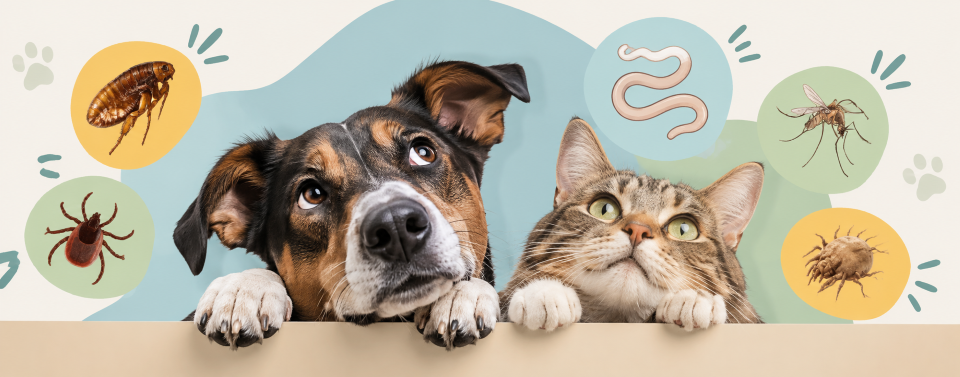
Warm weather encourages flea populations to grow rapidly. Even indoor pets can be affected if fleas enter the home through other animals or clothing. Flea infestations often cause intense itching and can lead to skin infections or allergic reactions. Consistent parasite prevention is important throughout summer.
Beach Related Risks
Perth’s beaches are a favourite destination for dog owners, but they also present a few hazards. Dogs sometimes drink seawater while swimming or playing, which can cause vomiting or diarrhoea. Sand ingestion can also irritate the digestive system. Sharp shells, fishing hooks, or hidden debris may injure paws. Rinsing your dog with fresh water after a beach visit can help remove salt and sand that may irritate the skin.
Autumn Health Risks for Pets
Autumn in Perth brings slightly cooler weather but still retains warmth from the summer months.
Flea Population Spikes
Many people assume fleas are only a summer problem, but infestations often peak in autumn. The residual warmth creates ideal breeding conditions, allowing fleas to multiply quickly before winter arrives. Pets may develop itching, skin irritation, or hair loss if flea problems go untreated.
Seasonal Allergies
Autumn can trigger allergies in some pets as plants release pollen and environmental conditions change. Dogs with allergies often show signs such as scratching, licking their paws, or developing recurring ear infections.
Outdoor Hazards
Fallen seeds, burrs, and plant debris become more common during autumn. These can become lodged in paws, ears, or fur, causing irritation or infection if not removed. Regular grooming and checking your pet after outdoor walks can help prevent problems.
Winter Pet Health Risks in Perth
Perth winters are relatively mild compared with many other Australian cities, but cooler weather still affects pets in several ways.
Arthritis Flare Ups in Older Pets
Older dogs and cats often experience joint stiffness or arthritis. Colder weather can make these symptoms more noticeable, causing pets to move more slowly or hesitate when jumping or climbing stairs. Providing warm bedding and maintaining regular gentle exercise can help manage discomfort.
Skin Problems and Moisture
Rainy weather can leave pets damp after walks, particularly dogs with longer coats. Moisture trapped against the skin can lead to fungal infections or hot spots. Drying pets thoroughly after rain and keeping bedding clean can reduce the risk.
Reduced Exercise
Many pets become less active during winter because owners spend less time outdoors. Lower activity levels can contribute to weight gain, which in turn places extra strain on joints and overall health. Maintaining daily exercise, even if it is shorter walks or indoor play, helps keep pets fit.
Spring Pet Health Risks
Spring brings warmer temperatures and increased plant growth, which can trigger new health concerns for pets.
Grass and Pollen Allergies
Spring is one of the most common times for pets to develop allergy symptoms. Signs often include:
- Excessive scratching
- Red or inflamed skin
- Licking or chewing paws
- Frequent ear infections
Veterinary treatment may help manage allergies and prevent secondary skin infections.
Bee and Insect Stings
As insect activity increases during spring, dogs may encounter bees or wasps while playing outdoors. Stings can cause swelling and discomfort, and in rare cases may trigger allergic reactions.
Snake Activity
Snakes become more active during warmer months, particularly in bushland areas around Perth. Curious dogs that investigate snakes can be bitten, which requires immediate veterinary treatment. Avoiding tall grass and keeping dogs supervised during walks in bush areas can reduce the risk.
Is My Pet Affected by Seasonal Conditions?
Seasonal changes can affect pets in different ways, but certain symptoms should always be taken seriously. Watch for signs such as:
- Excessive panting
- Lethargy or weakness
- Vomiting or diarrhoea
- Persistent scratching or licking
- Loss of appetite
- Changes in mobility or limping
If symptoms persist or worsen, it is best to have your pet examined by a veterinarian.
Protect Pets All Year Round
Keeping pets safe throughout the seasons does not require complicated routines. A few consistent habits make a big difference.
- Keep flea and parasite prevention up to date
- Avoid exercising pets during the hottest parts of the day
- Provide shade and fresh water at all times
- Check paws and fur after outdoor walks
- Maintain regular grooming
- Schedule routine veterinary health checks
These simple steps help reduce the risk of seasonal illnesses and injuries.
When to See a Vet
Some symptoms require prompt veterinary attention. You should contact a vet if your pet experiences:
- Signs of heatstroke
- Severe vomiting or diarrhoea
- Difficulty breathing
- Sudden collapse or weakness
- Suspected snake bite
- Persistent itching or skin infections
Early treatment can prevent minor problems from becoming serious health issues.
Keeping Pets Healthy Through Perth’s Seasons
Perth’s climate offers a fantastic outdoor lifestyle for both pets and their owners, but it also brings seasonal challenges that should not be overlooked. If you notice any unusual behaviour, signs of illness, or simply want peace of mind as the seasons change, a professional veterinary check can help keep your pet on track.
The experienced team at Belmont Ave Vet Hospital provides comprehensive health checks, preventative care, and treatment for dogs and cats throughout every stage of life. Whether your pet needs parasite prevention, allergy management, or help recovering from seasonal illness, their vets are ready to help.
Book an appointment with Belmont Ave Vet Hospital today and make sure your pet stays happy, healthy, and protected through every season.