Why Is My Dog Limping? Causes, Diagnosis and Treatment
Seeing your dog limp can be worrying. One day they are running around happily and the next they are favouring a leg, moving slowly, or refusing to walk at all. Limping is one of the most common reasons dogs are taken to the vet, and while some causes are minor, others need prompt medical attention. A limp usually means your dog is experiencing pain, weakness, or injury somewhere in the leg, paw, joint, or muscle. In some cases the problem resolves with rest, but persistent limping should always be investigated.
What Does Limping in Dogs Mean?
Limping occurs when a dog changes the way they walk to avoid putting weight on a painful or injured limb. This change in movement is often a sign that something is wrong.
Some dogs will only slightly favour a leg, while others may completely refuse to use it. Even mild limping is worth monitoring because dogs often hide pain until it becomes more severe.
Sudden Limp vs Gradual Limp
The way a limp appears can provide clues about the cause.
A sudden limp often happens after an injury such as running too hard, landing awkwardly, or stepping on something sharp. These limps usually appear quickly and may involve swelling or obvious discomfort.
Gradual limping tends to develop slowly over time and is more commonly linked to joint problems,
arthritis, or developmental conditions.
Common Causes of Limping in Dogs
Limping can originate from several areas including the paw, muscles, joints, bones, or ligaments. Identifying the exact cause requires a proper examination.
Paw Injuries
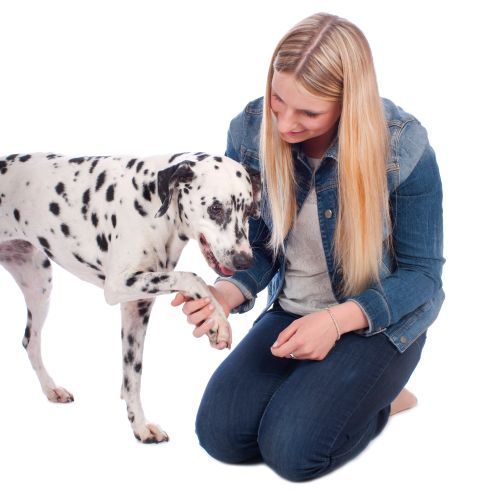
Paw injuries are one of the most common and easiest causes of limping to overlook. Dogs can step on sharp objects such as glass, thorns, or splinters while walking outdoors. Grass seeds may also lodge between toes and cause irritation or infection. Other paw related problems include:
- Cuts or abrasions
- Burnt paw pads from hot pavement
- Broken or torn nails
- Foreign objects stuck between toes
Checking your dog’s paws carefully is often the first step when limping appears suddenly.
Muscle Strains or Soft Tissue Injuries
Dogs that run, jump, or play vigorously can strain muscles or soft tissues. This type of injury is common in active breeds and dogs that participate in high energy activities such as chasing balls or rough play. A muscle strain may cause mild to moderate limping that improves with rest over several days.
Joint Problems
Joint conditions are another frequent cause of limping, especially in older dogs. Common joint issues include:
- Arthritis
- Hip dysplasia
- Elbow dysplasia
- Luxating patella
These conditions affect how joints move and can cause pain, stiffness, and reduced mobility. Arthritis in particular becomes more common as dogs age and may cause gradual limping that worsens after exercise or during colder weather.
Ligament Injuries
One of the most serious causes of limping is a ligament injury in the knee joint. The cranial cruciate ligament stabilises the knee and helps control movement. When this ligament tears, the joint becomes unstable and painful. Dogs with this injury often suddenly stop putting weight on the affected leg. This condition usually requires veterinary treatment and in many cases surgery.
Bone Injuries
Fractures or stress injuries to bones can also cause limping. These injuries may occur after accidents, falls, or rough play. Signs may include swelling, severe pain, or an obvious inability to use the leg. Bone injuries should always be treated as a veterinary emergency.
Infections or Abscesses
Bacterial infections in paws, joints, or bones can cause swelling and pain that leads to limping. Abscesses may develop from bite wounds, punctures, or embedded foreign objects. Infections often require veterinary treatment with antibiotics and proper wound care.
Growth Related Conditions in Young Dogs
Young dogs, especially large breeds, can develop conditions related to bone growth. Examples include:
- Panosteitis, which causes shifting leg pain during growth phases
- Osteochondritis dissecans, a condition affecting cartilage in developing joints
These conditions typically affect puppies or adolescent dogs and may cause intermittent limping.
Limping in Puppies vs Adult Dogs
Age plays an important role in identifying the cause of a limp.
Young dogs are more likely to experience:
- Growth related bone conditions
- Developmental joint issues
- Injuries during play or exercise
Because puppies are still growing, any persistent limp should be examined by a vet to prevent long term joint problems.
Older dogs more commonly experience:
- Arthritis
- Degenerative joint disease
- Ligament injuries
- Reduced muscle strength
These conditions often develop gradually and may require ongoing management.
When Limping Is an Emergency
Some cases of limping require immediate veterinary attention. Seek urgent care if your dog:
- Cannot put any weight on a leg
- Shows severe swelling or deformity
- Appears to be in extreme pain
- Has been hit by a car or experienced trauma
- Shows signs of a snake bite or severe insect sting
Quick treatment can prevent further injury and improve recovery.
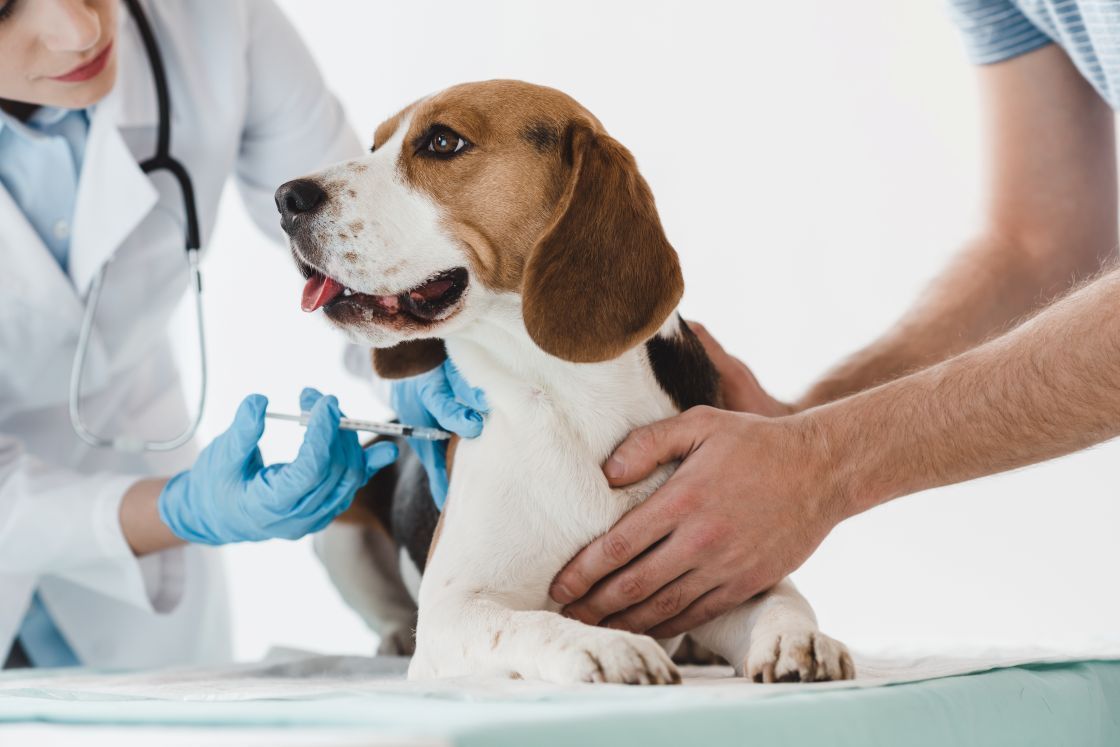
How Vets Diagnose Limping in Dogs
Identifying the cause of a limp requires a thorough veterinary examination.
Physical Examination
The vet will examine your dog’s legs, joints, paws, and muscles. They may gently move joints to assess range of motion and locate areas of pain. Swelling, heat, or abnormal movement can help identify the affected area.
Gait Assessment
Observing how your dog walks can reveal important clues. Your vet may watch your dog walk or trot to determine which limb is affected and how the limp changes during movement.
Diagnostic Imaging
If the cause is not immediately obvious, imaging tests may be required. X rays are commonly used to detect fractures, joint damage, or bone abnormalities. In more complex cases, additional imaging may be recommended.
Additional Tests
If infection or inflammation is suspected, further tests such as blood work or joint fluid analysis may be performed. These tests help identify underlying medical conditions.
Treatment Options for Limping in Dogs
Treatment depends on the underlying cause of the limp.
Rest and Activity Modification
For minor strains or soft tissue injuries, rest is often the most important treatment. Reducing exercise and limiting jumping or running allows the affected area to heal.
Medication
Veterinarians may prescribe medications such as:
- Pain relief medication
- Anti inflammatory drugs
- Antibiotics if infection is present
Physiotherapy and Rehabilitation
Some dogs benefit from physiotherapy to rebuild strength and improve mobility. Rehabilitation programs may include controlled exercise, hydrotherapy, and targeted muscle strengthening.
Weight Management
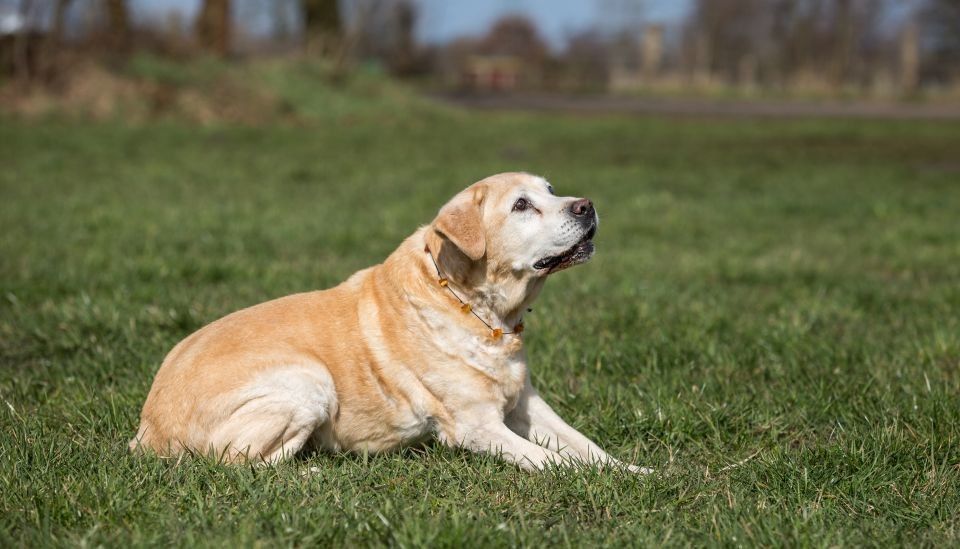
Maintaining a healthy body weight is important for joint health. Excess weight places additional pressure on joints and can worsen conditions such as arthritis.
Surgery
In more serious cases such as ligament tears or fractures, surgery may be necessary. Surgical treatment stabilises joints, repairs damaged structures, and helps restore normal movement.
Concerned About Your Dog’s Limp?
If your dog has started limping, even mildly, it is best not to ignore it. What may seem like a small injury can sometimes be a sign of joint problems, ligament damage, or other underlying conditions that benefit from early treatment.
The experienced team at Belmont Ave Vet Hospital can assess your dog’s mobility, identify the cause of the limp, and recommend the most appropriate treatment to help your pet recover comfortably.
Whether it is a minor paw injury or a more complex joint issue, getting the right diagnosis early can make a big difference to your dog’s long term health.
Contact Belmont Ave Vet Hospital today to book a consultation and help your dog get back on their feet.