
Arthritis in Dogs and Cats
Early Diagnosis and Long-Term Arthritis Management for Pets in Perth
Early Diagnosis
Arthritis Management
Continual Veterinary Care
Helping Pets Stay Comfortable, Active and Enjoy Life
Arthrtis in Dogs and Cats
Arthritis, also known as osteoarthritis (OA), is one of the most common causes of chronic pain and reduced mobility in dogs and cats. While arthritis cannot be cured, early diagnosis and ongoing management can significantly improve your pet's comfort, mobility and quality of life.
At Belmont Avenue Veterinary Hospital, we provide comprehensive arthritis management programs tailored to your pet's individual needs. Whether your dog is struggling to keep up on walks or your cat is no longer jumping onto favourite furniture, our team can help identify the cause and develop a personalised treatment plan.
Arthritis Management
Focus on Long-Term Quality of Life
What Is Osteoarthritis?
Osteoarthritis is the most common type of arthritis in pets. It is a progressive condition that affects the joints. Over time, the protective cartilage within the joint deteriorates, leading to inflammation, stiffness, discomfort and reduced movement. Osteoarthritis can affect pets of all ages, although it is more commonly diagnosed in middle-aged and senior animals. Larger breed dogs may have a higher risk, but arthritis can develop in pets of any size or breed. Cats are also commonly affected, although they often hide signs of discomfort. Research suggests that many cats show signs of osteoarthritis, yet the condition frequently goes unnoticed because symptoms can be subtle.
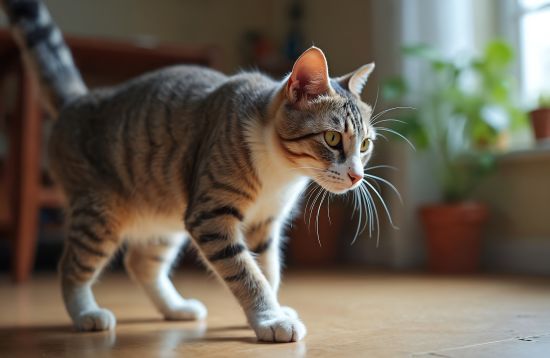
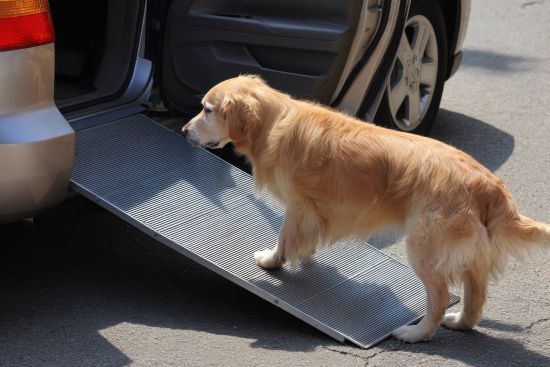
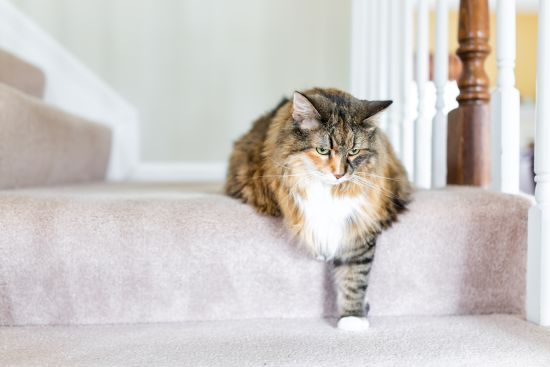

Small changes can be easy to miss. If your dog is slowing down on walks or your cat is avoiding jumps they used to make easily, arthritis (osteoarthritis) may be the reason.
Signs Your Pet May Have Arthritis
Many pets adapt to chronic pain and may not show obvious signs of limping. Instead, owners often notice gradual changes in behaviour and mobility.
Signs of Arthritis in Dogs
- Stiffness after resting
- Difficulty getting up from lying down
- Reluctance to jump into cars or onto furniture
- Difficulty climbing stairs
- Slowing down on walks
- Reduced interest in exercise or play
- Limping or favouring a limb
- Changes in behaviour or temperament
Common signs of arthritis in dogs include stiffness, difficulty jumping or climbing stairs, difficulty rising and a reduced interest in exercise.
Signs of Arthritis in Cats
- Hesitation when jumping
- Difficulty using stairs
- Sleeping more than usual
- Reduced grooming
- Changes in litter tray habits
- Avoiding high surfaces
- Reduced activity or playfulness
- Changes in behaviour
Cats often hide signs of pain, making arthritis more difficult to recognise. Behavioural changes such as difficulty grooming, hesitating before jumping and avoiding stairs can be important indicators.
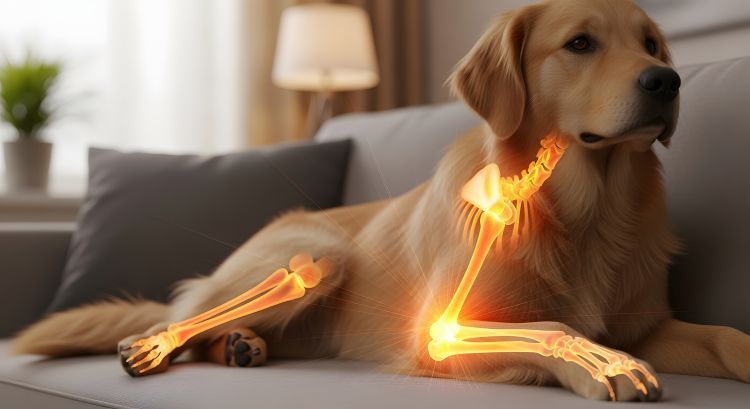
Noticed signs of stiffness, limping or reduced mobility? Early diagnosis can help improve your pet’s comfort and quality of life. Call (08) 9277 4966 to book an arthritis assessment with Belmont Avenue Veterinary Hospital.

Why Early Intervention Matters
Arthritis is progressive, meaning it typically worsens over time if left unmanaged. Early recognition and treatment can help slow the impact of the condition, improve comfort and maintain mobility for longer.
Many owners mistakenly assume slowing down is simply part of ageing. However, reduced activity, stiffness and behavioural changes can indicate underlying pain that may be manageable with appropriate veterinary care.
The earlier arthritis is identified, the sooner a management plan can be implemented to help your pet enjoy a more active and comfortable life.
How We Help Manage Your Pet’s Arthritis
Mobility and Joint Assessment
We start by looking closely at how your pet moves, where they may be feeling discomfort and how arthritis is affecting their daily life. This may include checking their joints, muscle condition, posture, weight and overall comfort. If needed, we may recommend diagnostic imaging to better understand the changes in the joints and guide the most suitable management plan.
Weight Management
Healthy weight plays an important role in managing arthritis. Extra weight can place more pressure on sore joints, making stiffness, inflammation and discomfort worse. We can help you understand your pet’s ideal weight and recommend practical steps to support safe, gradual weight control.
Exercise and Mobility Planning
The right type of movement can help support joint flexibility, muscle strength and day-to-day mobility. The aim is to keep your pet moving comfortably without placing too much strain on painful joints.
For dogs, shorter and more regular walks are often better than long or intense exercise sessions. Low-impact activities, such as gentle walking or swimming, may also be helpful for some pets depending on their condition, fitness and confidence.
Home Environment Changes
Simple changes at home can make everyday movement easier and safer for pets with arthritis.
- Orthopaedic bedding
- Non-slip flooring or mats
- Pet ramps or steps
- Assistance harnesses
- Easy access to food, water and resting areas
Adjustments like that can help reduce slipping, jumping and unnecessary strain on sore joints.
Ongoing Monitoring and Support
Arthritis changes over time, so your pet’s management plan may need to change too. We work with you to monitor your pet’s mobility, comfort and quality of life, making adjustments as needed to help them stay as comfortable and active as possible.
Arthritis Management for Dogs
Dogs with osteoarthritis often benefit from the following -
- Pain management strategies
- Weight control
- Exercise modification
- Joint support therapies
- Home environment adjustments
- Regular veterinary monitoring
A comprehensive treatment program aims to reduce pain, maintain mobility and improve quality of life. Download Canine Osteoarthritis Checklist and Management Program here.
Arthritis Management for Cats
Cats frequently mask discomfort, making regular veterinary assessments particularly important. Effective feline arthritis management will help.
- Pain management strategies
- Weight management
- Environmental modifications
- Mobility support
- Ongoing quality-of-life assessments
- Regular veterinary reviews
With an appropriate management program, many cats can remain active, comfortable and engaged in their normal daily activities. Download Feline Osteoarthritis Checklist and Management Program here.

Arthritis symptoms can be subtle, especially in cats. If your pet is slowing down or showing signs of discomfort, early diagnosis is important. Contact us on (08) 9277 4966 to book an appointment.