
Fleas are the most common parasite vets see in general practice. They cause itching, and in sensitive pets, a single bite can trigger flea allergy dermatitis, a reaction severe enough to cause hair loss and skin infections. The allergic reaction does most of the damage, and it can flare up after just one or two bites, so a pet can have severe skin problems without anyone ever spotting an actual flea.
Parasites and Pets
Belmont Avenue Veterinary Hospital
Parasites and Pets: What's Actually Living On (or In) Your Pet?
Parasites that affect pets split into two groups: external, meaning fleas, ticks and mites that live on the skin or coat, and internal, meaning intestinal worms and heartworm that live inside the body. A flea product doesn't touch heartworm. A heartworm preventative doesn't clear a worm burden. Combination products exist, but they don't all cover the same range, so it's worth checking what your current product actually treats rather than assuming it handles everything.
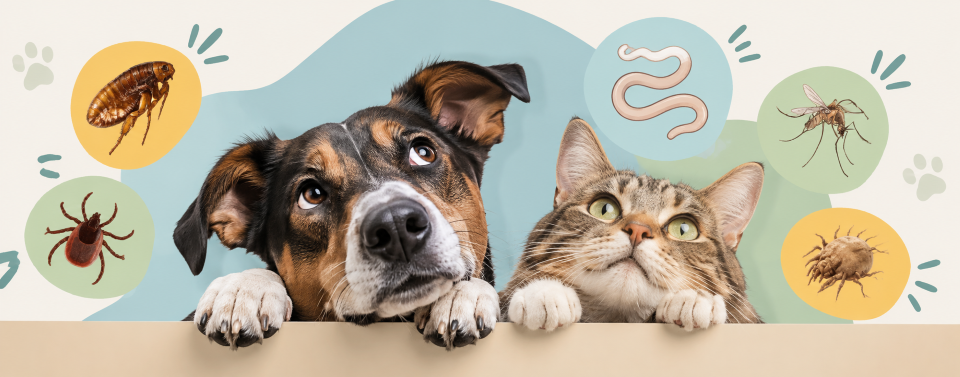
External Parasites: Fleas, Ticks and Mites
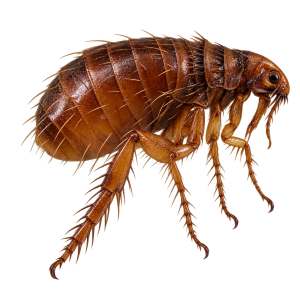
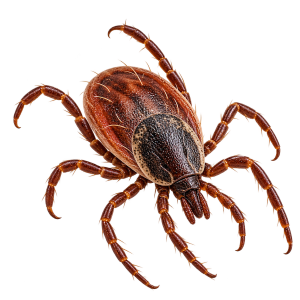
Ticks attach to the skin and feed on blood. Some species are mostly a nuisance. Others, like the paralysis tick found along the eastern seaboard, inject a toxin that can cause muscle weakness, breathing difficulty and, if untreated, death. Tick risk varies significantly by region in Australia, so what's a serious concern in one part of the country may be a minor one somewhere else. Checking your pet's skin regularly after time outdoors, particularly in long grass or bushland, remains the most reliable early warning system regardless of where you live.
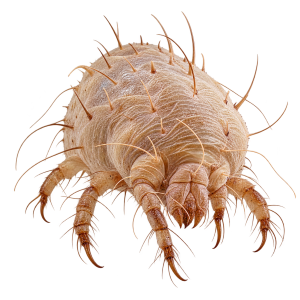
Mites cause mange and ear infections, and are often mistaken for allergies or a stubborn skin condition because the symptoms overlap so closely. A skin scrape at the vet is usually what settles the question.
Internal Parasites: Worms and Heartworm
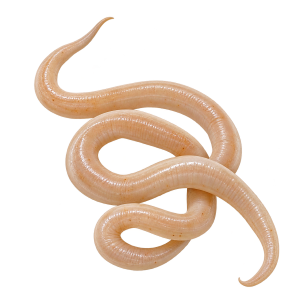
Intestinal worms, including roundworm, hookworm and tapeworm, are picked up through contaminated soil, faeces, or in some cases fleas carrying tapeworm larvae. Puppies and kittens are especially vulnerable, and a heavy worm burden can cause a distended, pot-bellied appearance alongside weight loss and diarrhoea. Regular de-worming, particularly in the first year of a pet's life, keeps this in check.
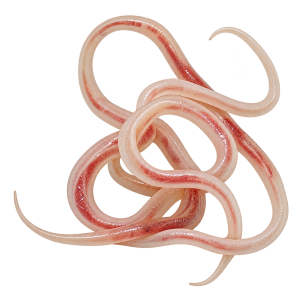
Heartworm is spread by mosquitoes and develops slowly inside the heart and major blood vessels, sometimes over several months, before any symptom appears. By the time signs like coughing or fatigue show up, the disease is often well established. Heartworm risk depends heavily on local climate and mosquito activity, and it's genuinely lower in some parts of Australia than others. That regional variation is worth discussing with your vet directly, since a one-size-fits-all recommendation doesn't always reflect your pet's actual exposure.
Can Parasites Affect People Too?
Some pet parasites are zoonotic, meaning they can pass to humans under the right circumstances. Roundworm eggs in contaminated soil can cause illness in people, particularly young children who play outdoors and put their hands in their mouths. Hookworm larvae can penetrate human skin directly. Certain ticks carry diseases that affect people as well as animals.
Regular parasite prevention combined with basic hygiene, washing hands after handling soil, picking up after your pet promptly, keeps this risk low for most households.
Signs Your Pet Might Have a Parasite
These signs group by what you'd actually notice day to day, rather than by which specific parasite is causing them.
List of Services
-
Skin and coat changesList Item 1
Persistent scratching, licking or biting at the skin, patchy hair loss, or visible specks in the fur that could be fleas or flea dirt.
-
Digestive changesList Item 2
Vomiting, diarrhoea, a swollen or bloated belly, or visible worms or worm segments in the stool.
-
Weight and appetite changesList Item 3
Losing weight despite eating normally, which can point to worms interfering with nutrient absorption.
-
Behavioural changesList Item 4
Scooting along the ground, which often signals irritation from tapeworm segments near the anus.
If you notice any of these, a vet visit is the right next step, since several of these signs overlap with conditions that have nothing to do with parasites at all.
How Vets Actually Diagnose Parasites
Diagnosis usually goes beyond a visual check. Faecal testing under a microscope, or PCR testing in some cases, identifies intestinal worm eggs that aren't visible to the naked eye. Skin scrapes help confirm mites. Heartworm is picked up through a blood test that detects the parasite's antigen. Ticks are usually found through a careful physical examination, especially in longer-coated pets where a small tick can go unnoticed for days.
This is worth knowing because guessing based on symptoms alone, or assuming a product from the pet shop will cover whatever the problem turns out to be, can leave the actual issue untreated.
Building a Prevention Plan That Actually Covers Your Pet
A solid prevention routine usually combines a few things: a flea and tick product suited to your pet's size and lifestyle, regular intestinal worming (the frequency depends on age and risk factors), and heartworm prevention where it's relevant to your area and your pet's exposure. Spot-on treatments, oral tablets, collars and injections all work differently, and the right combination depends on things like whether your pet swims often, spends time around other animals, or lives somewhere with higher tick or mosquito activity.
A vet can match the combination to your pet's actual routine rather than a generic label recommendation.
Getting a Proper Check
If you're noticing any of the signs above, or you're simply not sure whether your current prevention routine is doing enough, book a consultation. A proper parasite check takes the guesswork out of it, and catching most of these issues early makes treatment considerably more straightforward for your pet.
Belmont Avenue Veterinary Hospital in Perth offers parasite checks, de-worming and tailored prevention plans for dogs and cats. Call us on
(08) 9277 4966 or
book online to get your pet's plan sorted.

Is your dog struggling to walk, run or get up comfortably? Learn the signs of hip dysplasia and treatment options available in Perth.

Learn the common causes of dog vomiting, including yellow bile and white foam vomit in dogs. Discover warning signs and when to see a vet.

Learn the full puppy and kitten vaccination schedule in Australia. Know what your pet needs and when. Book with Belmont Ave Vet Hospital today.

Cats are creatures of habit, even small changes can affect appetite. Things like moving food bowls or switching food too quickly can lead to temporary fussiness.

Cats are often seen as calm, independent animals, but they can experience stress just like people and other pets.Cats are very good at hiding discomfort... Read more.

If your dog has started limping, even mildly, it is best not to ignore it. What may seem like a small injury can be a sign of joint problems, ligament damage, or more.

Perth’s climate offers a fantastic outdoor lifestyle for both pets and their owners, but it also brings seasonal challenges that should not be overlooked.

If your cat has started jumping less, avoiding stairs, or showing changes in their daily routine, it may be a sign of osteoarthritis. We can help your cat.

Osteoarthritis in dogs is a long term joint condition that causes pain, stiffness and reduced mobility. It develops when the smooth cartilage inside a joint breaks down.