Hip Dysplasia in Dogs: Signs, Diagnosis and Treatment
Hip dysplasia is a condition that affects the way a dog's hip joint develops. While it is most commonly associated with large and giant breeds, it can affect dogs of all sizes and ages. Some dogs show signs from a young age, while others may not experience problems until later in life. The earlier hip dysplasia is identified, the more options there are to help manage your dog's comfort and quality of life. Here's what dog owners should know about the signs, diagnosis, and treatment of hip dysplasia in dogs.
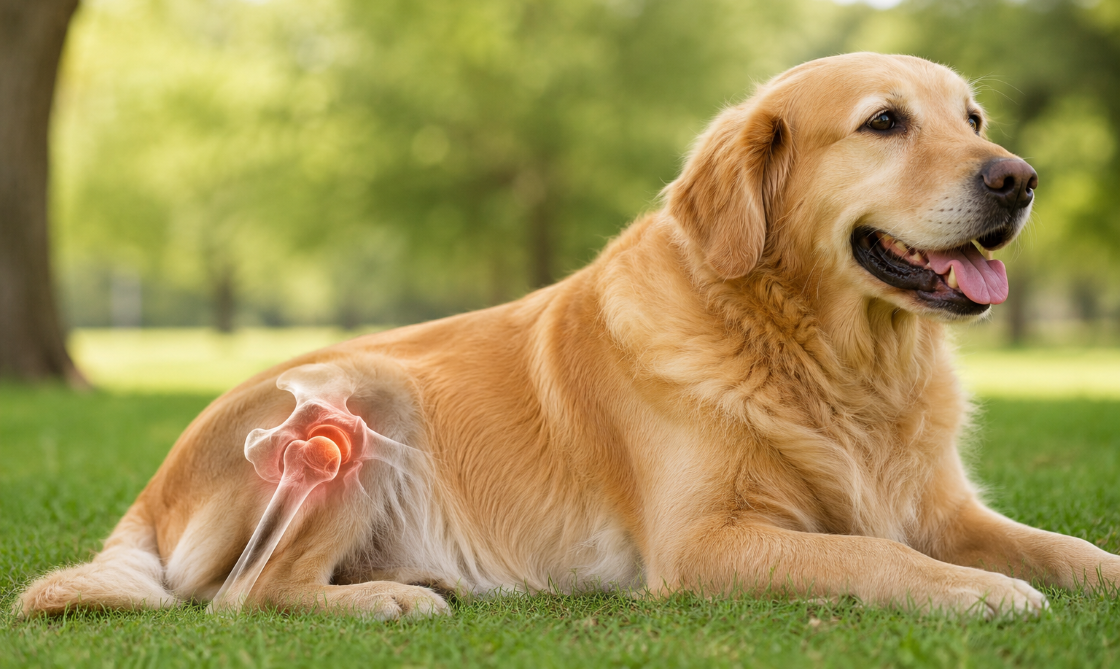
What Is Hip Dysplasia in Dogs?
Hip dysplasia is a developmental condition where the ball and socket of the hip joint do not fit together properly. In a healthy hip, the joint moves smoothly and supports the dog's weight during everyday activities such as walking, running, and jumping. With hip dysplasia, the joint becomes loose or unstable, causing abnormal movement and increased wear over time. As the condition progresses, the body attempts to stabilise the joint, often leading to inflammation, pain, and arthritis. The severity of hip dysplasia can vary significantly between dogs. Some experience only mild symptoms, while others develop noticeable mobility issues that affect their quality of life.
Which Dogs Are Most At Risk of Hip Dysplasia?
Hip dysplasia can affect any dog, but it is more commonly seen in larger and giant breeds. Dogs such as Labrador Retrievers, Golden Retrievers, German Shepherds, Rottweilers, Saint Bernards, and Great Danes are generally considered to have a higher risk of developing the condition. Genetics plays a significant role, which is why responsible breeding practices are important in reducing the incidence of hip dysplasia. However, inherited factors are not the only cause. Rapid growth during puppyhood, excess body weight, and poor joint development can also contribute to the condition. While hip dysplasia is often associated with large breeds, smaller dogs can develop it as well. For this reason, any dog showing signs of stiffness, difficulty moving, or changes in mobility should be assessed by a veterinarian, regardless of breed or size.
Signs of Hip Dysplasia in Dogs
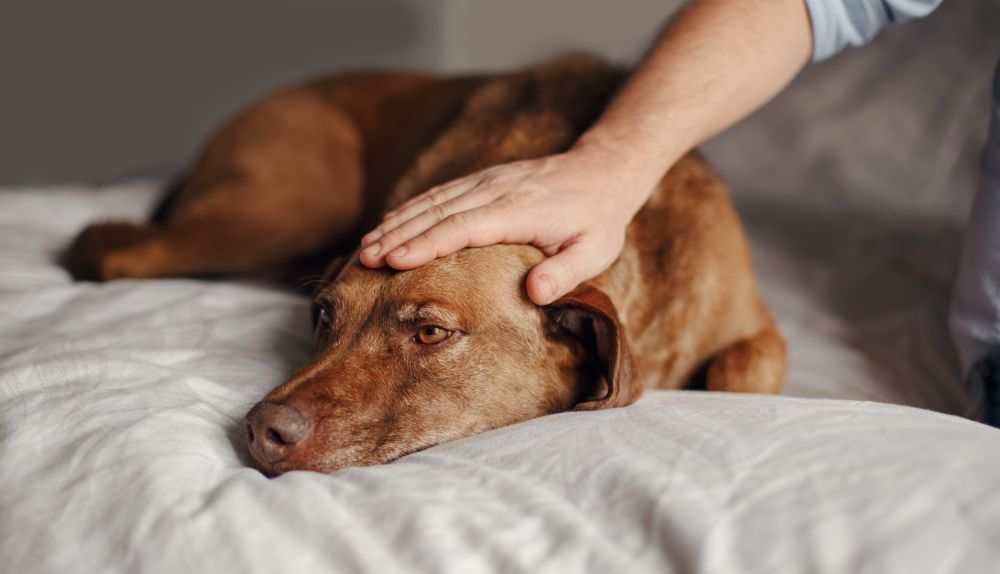
The signs of hip dysplasia can vary depending on your dog's age and the severity of the condition. Some dogs begin showing symptoms as puppies, while others may not develop noticeable problems until arthritis develops later in life. Common signs of hip dysplasia in dogs include:
- Difficulty getting up after resting
- Stiffness, particularly after exercise
- Reluctance to run, jump, or climb stairs
- Bunny-hopping when running
- Limping or favouring one back leg
- Reduced activity levels
- Swaying or unusual movement through the hips when walking
- Loss of muscle mass in the hind legs
- Signs of discomfort when the hips are touched or manipulated
Many of these symptoms can also be associated with other joint, muscle, or neurological conditions. If you notice changes in your dog's mobility or behaviour, a veterinary examination can help determine the underlying cause and identify the most appropriate treatment plan.
How Is Hip Dysplasia Diagnosed?
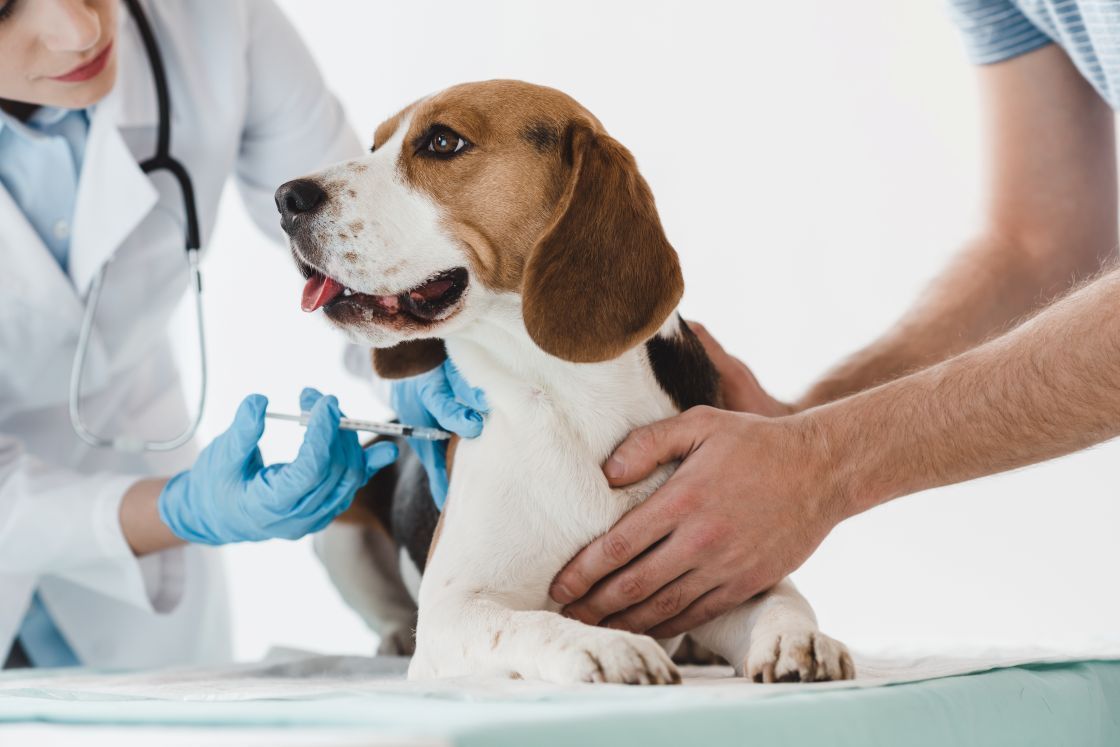
Diagnosing hip dysplasia starts with a vet examination. Your vet will assess your dog's gait, mobility, range of motion, and look for signs of pain, stiffness, or joint instability in the hips. While a physical examination can raise suspicion of hip dysplasia, X-rays are typically required to confirm the diagnosis and assess the severity of the condition.
Diagnostic imaging allows the hip joints to be evaluated for abnormal development, joint laxity, and signs of arthritis or long-term wear. Once a diagnosis has been made, your veterinarian can recommend the most appropriate management plan based on your dog's age, symptoms, activity level, and the extent of joint changes present.

How Do You Treat Dog Hip Dysplasia?
Treatment for hip dysplasia depends on your dog's age, the severity of the condition, and how much it is affecting their daily life. While hip dysplasia cannot be reversed, early diagnosis and appropriate treatment can help reduce pain, improve mobility, and slow the progression of arthritis. Your vet will perform a thorough assessment before recommending the most suitable treatment plan for your dog.
Medical Management
Many dogs with mild to moderate hip dysplasia can be managed successfully without surgery. Treatment often involves a combination of approaches aimed at reducing discomfort and supporting long-term joint health. Pain relief and anti-inflammatory medications may be prescribed to help control inflammation and improve comfort, particularly when arthritis has developed within the joint. Joint supplements containing ingredients such as glucosamine, chondroitin, omega-3 fatty acids, and green-lipped mussel may also be recommended to support cartilage health and joint function. Maintaining a healthy body weight is another important part of treatment. Excess weight places additional strain on the hips and can worsen symptoms over time. Your vet may also recommend lifestyle modifications, including controlled exercise, physiotherapy, hydrotherapy, or other rehabilitation therapies to help maintain muscle strength and mobility.
Surgical Options for Dog Hip Dysplasia
Surgery may be recommended when hip dysplasia is causing significant pain, mobility problems, or a reduced quality of life that cannot be adequately managed with medication, weight management, and rehabilitation therapies. The most appropriate surgical option depends on your dog's age, size, activity level, and the severity of joint changes present. There are surgical options available, particularly in young dogs, once the Vet has assessed your pet they can discuss if it is suitable.
How Long Can a Dog Live With Hip Dysplasia?
While the condition cannot be cured, it can often be managed successfully through a combination of weight management, exercise modification, medication, rehabilitation therapies, and, in some cases, surgery. Because hip dysplasia is a progressive condition, ongoing veterinary care is important. Regular assessments help monitor joint health, identify signs of worsening
arthritis, and ensure your dog remains as comfortable and mobile as possible throughout their life.
Can Hip Dysplasia Be Prevented?
Hip dysplasia cannot always be prevented, as genetics plays a major role in how a dog's hip joints develop. However, there are several steps that can help reduce the risk of the condition developing or progressing.
Responsible breeding is one of the most effective ways to reduce the incidence of hip dysplasia. Reputable breeders often screen breeding dogs to identify hip abnormalities before they are bred.
For growing puppies, maintaining a healthy body weight and providing appropriate nutrition is important. Excess weight can place additional stress on developing joints, while overfeeding may contribute to rapid growth that can increase the risk of joint problems.
Regular exercise is also important, but activities should be appropriate for the dog's age and breed. Repetitive high-impact exercise during growth may place unnecessary strain on developing hips, particularly in larger breeds that are already genetically predisposed to the condition. While hip dysplasia cannot always be avoided, early detection and proactive management can help minimise discomfort and improve long-term outcomes for affected dogs.
Concerned About Your Dog?
If you've noticed your dog struggling to get up, becoming reluctant to exercise, or showing signs of stiffness or discomfort, the team at Belmont Avenue Veterinary Centre can help. Early assessment and diagnosis can make a significant difference to your dog's long-term comfort, mobility, and quality of life.
Contact Belmont Avenue Veterinary Hospital today or book an appointment to discuss the most appropriate treatment options for your dog.