Why Is My Dog Vomiting? Causes, Yellow Bile, White Foam and Other Warning Signs
Few things worry dog owners more than seeing their pet suddenly start vomiting. While an occasional episode of dog vomiting may be caused by something relatively minor, such as eating too quickly or an upset stomach, it can also be a sign of an underlying health issue that requires veterinary attention.
The appearance of your dog's vomit can often provide important clues about what is happening. For example, dog vomiting yellow bile may occur when the stomach is empty, while dog throwing up yellow vomit repeatedly could indicate a digestive issue that requires veterinary attention. Likewise, white foam vomit in dogs is relatively common and may be caused by stomach irritation, acid reflux, or other gastrointestinal concerns. If your dog is throwing up white foam regularly or showing other signs of illness, it's important not to ignore the symptoms.

Why Is My Dog Vomiting?
Vomiting is not a disease itself, but rather a symptom that something is affecting your dog's digestive system or overall health. In many cases, dog vomiting may be caused by a temporary stomach upset and resolve on its own. However, recurrent vomiting or vomiting accompanied by other symptoms can indicate a more serious dog illness that requires veterinary attention.
Common Causes of Dog Vomiting
There are many reasons why a dog may start throwing up. Some of the most common causes include:
Eating too quickly
Dogs that eat their meals too fast can swallow excess air and irritate their stomach, leading to vomiting shortly after eating.
Dietary indiscretion
Many dogs are not particularly selective about what they eat. Consuming rubbish, spoiled food, table scraps, or foreign objects can upset the digestive system and trigger vomiting.
Sudden diet changes
Changing your dog's food too quickly can cause gastrointestinal upset. New diets should generally be introduced gradually over several days.
Food intolerances or allergies
Some dogs may develop sensitivities to certain ingredients, resulting in vomiting, diarrhoea, or other digestive symptoms.
Gastrointestinal infections
Bacterial, viral, or parasitic infections can irritate the stomach and intestines, causing vomiting and other signs of illness.
Motion sickness
Some dogs experience nausea and vomiting during car travel, particularly puppies and younger dogs.
Stress and anxiety
Changes in routine, travel, boarding, or stressful situations can occasionally lead to digestive upset and vomiting.
More Serious Causes of Dog Vomiting
While many cases of dog vomiting are relatively minor, persistent or severe vomiting can sometimes be associated with more serious health conditions, including:
- Pancreatitis
- Kidney disease
- Liver disease
- Diabetes
- Intestinal blockages
- Toxin ingestion
- Certain cancers
- Severe infections
If your dog illness throwing up is accompanied by lethargy, loss of appetite, diarrhoea, abdominal pain, or dehydration, it is important to seek veterinary advice. The colour and appearance of your dog's vomit can also provide valuable information. Understanding the difference between yellow bile, white foam, blood, and other forms of vomit may help identify the underlying cause and determine how urgently veterinary care is needed.
What the Colour of Your Dog's Vomit May Mean
The colour and consistency of your dog's vomit can provide useful clues about what may be causing the problem. While it is not always possible to determine the exact cause based on appearance alone, observing the colour, frequency, and contents of the vomit can help your veterinarian diagnose the underlying issue more quickly.
Dog Vomiting Yellow Bile
If you notice your dog vomiting yellow fluid, the yellow colour is typically bile. Bile is a digestive fluid produced by the liver and stored in the gallbladder that helps break down food in the intestines.
Dog vomiting yellow bile often occurs when the stomach has been empty for an extended period. This is why some dogs throw up yellow vomit early in the morning before breakfast or late at night after several hours without food. In some cases, this may be linked to a condition known as bilious vomiting syndrome, where bile irritates the stomach lining and triggers vomiting.
Occasional episodes of dog vomiting yellow bile are not always a cause for concern. However, repeated vomiting, loss of appetite, lethargy, weight loss, or other signs of illness may indicate a more significant digestive problem that requires veterinary assessment.
Dog Throwing Up White Foam
White foam vomit in dogs is another common concern for pet owners. This type of vomit is usually made up of saliva and stomach fluids that have been mixed with air during the vomiting process.
A dog throwing up white foam may simply have an empty stomach or mild gastrointestinal irritation. In some cases, white foam can also be associated with acid reflux, dietary indiscretion, infections, or inflammation of the stomach lining.
It's important to note that coughing and gagging can sometimes be mistaken for vomiting. Dogs with respiratory conditions may appear to be vomiting white foam when they are actually coughing up mucus. If you are unsure whether your dog is vomiting or coughing, your veterinarian can help determine the cause.
While a single episode may not be serious, recurring white foam vomit in dogs should be investigated, particularly if it is accompanied by lethargy, poor appetite, diarrhoea, or behavioural changes.
Dog Vomiting Clear Liquid
If your dog is vomiting clear liquid, it is often a sign that the stomach is empty or that your dog has recently consumed a large amount of water. Some dogs will vomit clear fluid before bringing up food or bile, particularly when they are feeling nauseous.
Clear vomit can also occur with mild stomach irritation, gastrointestinal infections, dietary indiscretion, or motion sickness. While an occasional episode may not be concerning, repeated vomiting of clear liquid can lead to dehydration and should be assessed by a veterinarian.
Dog Vomiting Undigested Food
Vomiting undigested food shortly after eating is often linked to eating too quickly, overeating, or excitement around meal times. In some cases, what appears to be vomiting may actually be regurgitation, which occurs when food is expelled from the oesophagus before it reaches the stomach.
If your dog regularly brings up undigested food, it may indicate an underlying issue affecting digestion or the movement of food through the digestive tract. Conditions affecting the oesophagus, stomach, or intestines can all contribute to this symptom and warrant veterinary investigation.
Dog Vomiting Green Material
Green vomit is commonly seen when dogs consume grass or other plant material. Many dogs eat grass occasionally, and while the exact reason isn't fully understood, it does not always indicate illness.
However, persistent green vomit, vomiting accompanied by other symptoms, or known exposure to toxic plants should be taken seriously. Certain toxins can cause vomiting and other potentially life-threatening symptoms, making prompt veterinary attention essential.
Dog Vomiting Blood
Blood in vomit should never be ignored. Fresh blood often appears bright red and may indicate irritation, inflammation, ulcers, trauma, clotting disorders, or ingestion of a foreign object.
Even a small amount of blood can be significant, particularly if your dog is vomiting repeatedly or showing signs of weakness. Immediate veterinary assessment is recommended whenever blood is present in vomit.
Dog Vomiting Black or Coffee-Ground Material
Black vomit or vomit that resembles coffee grounds can indicate partially digested blood. This type of vomiting may occur when bleeding originates higher within the digestive tract and has had time to be partially digested before being expelled.
Because gastrointestinal bleeding can be associated with serious medical conditions, black or coffee-ground vomit should be treated as an urgent veterinary concern. Prompt diagnosis and treatment can be critical to your dog's recovery.
Other Symptoms to Watch For
While the colour and appearance of vomit can provide helpful clues, it is equally important to pay attention to any other symptoms your dog may be experiencing. In many cases, a single episode of dog vomiting may not be serious, but vomiting accompanied by additional signs of illness often warrants closer attention.
Warning Signs That Require Veterinary Attention
If your dog is vomiting and displaying any of the following symptoms, it is recommended that you contact your veterinarian as soon as possible:
- Repeated vomiting. Vomiting multiple times over a short period can quickly lead to dehydration and may indicate a more serious underlying condition.
- Lethargy or weakness. If your dog appears unusually tired, reluctant to move, or generally unwell, this may suggest that more than a simple stomach upset is occurring.
- Loss of appetite. A dog that refuses food for an extended period, particularly when combined with vomiting, should be assessed by a veterinarian.
- Diarrhoea. Vomiting and diarrhoea occurring together can increase the risk of dehydration and may be caused by infections, parasites, dietary indiscretion, or other illnesses.
- Abdominal pain. Signs such as restlessness, a hunched posture, reluctance to be touched around the abdomen, or vocalising when picked up can indicate pain and require veterinary attention.
- Signs of dehydration. Dry gums, excessive panting, sunken eyes, and reduced skin elasticity may all suggest dehydration, particularly if vomiting has been ongoing.
- Weight loss. Persistent vomiting that leads to weight loss may indicate a chronic health issue affecting your dog's digestive system or overall health.
- Difficulty breathing. If vomiting is accompanied by coughing, breathing difficulties, or respiratory distress, urgent veterinary care should be sought immediately.
- Collapse or disorientation. Collapse, weakness, confusion, or unsteady movement should always be treated as an emergency.
Puppies, Senior Dogs and Dogs With Existing Health Conditions
Certain dogs are more vulnerable to the effects of vomiting than others. Puppies can become dehydrated quickly and may be at higher risk from infectious diseases or intestinal parasites. Senior dogs are more likely to have underlying medical conditions that contribute to vomiting, while dogs with existing health issues such as diabetes, kidney disease, or liver disease may require prompt treatment if vomiting develops.
If you are ever unsure whether your dog's symptoms are serious, it is always safest to seek veterinary advice. Early diagnosis and treatment can often prevent a minor problem from becoming a more significant health concern.
What Should I Do If My Dog Is Vomiting?
If your dog vomits once but otherwise appears bright, alert, and comfortable, it may be appropriate to monitor them closely at home. However, if vomiting continues or your dog develops additional symptoms, veterinary attention may be required.
For dogs that have experienced a single episode of vomiting and are otherwise behaving normally, the following steps may help:
- Pay attention to how often your dog is vomiting and whether any other symptoms develop. Note the colour and appearance of the vomit, as this information can be useful if veterinary treatment becomes necessary.
- Vomiting can lead to dehydration, so ensure your dog has access to clean drinking water. Encourage small, frequent drinks rather than allowing them to consume large amounts at once.
- Avoid giving human medications. Many medications that are safe for people can be dangerous for dogs. Never administer medication without veterinary advice.
- Take note of when the vomiting started, how frequently it occurs, what the vomit looks like, and any recent changes to your dog's diet, routine, or environment.
When Home Monitoring Is Not Enough
You should contact your veterinarian if:
- Your dog is vomiting repeatedly
- Dog vomiting yellow bile becomes frequent or persistent
- Your dog is throwing up yellow vomit alongside other symptoms
- White foam vomit in dogs occurs regularly
- Your dog is throwing up white foam and appears lethargic or unwell
- Blood is present in the vomit
- Your dog cannot keep water down
- Vomiting is accompanied by diarrhoea, weakness, or abdominal pain
- You suspect your dog has eaten something toxic
- A puppy or senior dog is vomiting
- Symptoms continue for more than 24 hours
What Information Should I Provide to My Veterinarian?
When contacting your veterinarian, it can be helpful to provide:
- Your dog's age, breed, and medical history
- When the vomiting started
- How often your dog has vomited
- The colour and appearance of the vomit
- Any recent dietary changes
- Possible exposure to toxins or foreign objects
- Any additional symptoms you have observed
The more information you can provide, the easier it will be for your veterinarian to determine the most appropriate course of action and whether your dog requires immediate treatment.
How Vets Diagnose the Cause of Dog Vomiting
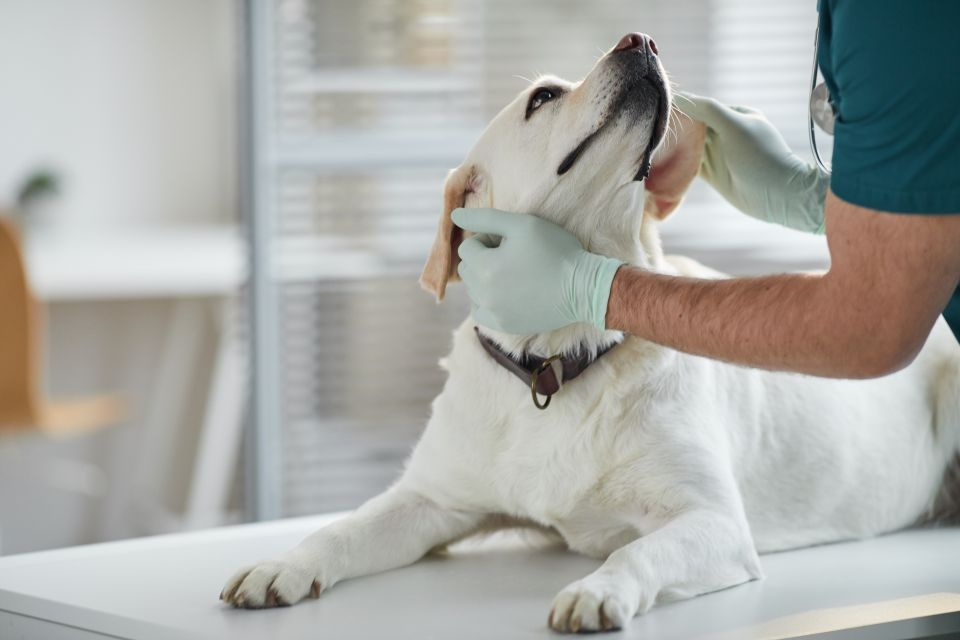
Because dog vomiting can be caused by a wide range of conditions, your veterinarian will begin by gathering information about your dog's symptoms, medical history, diet, and recent activities. This helps narrow down the possible causes and determine which tests, if any, may be required.
Physical Examination
A thorough physical examination is often the first step. Your veterinarian will assess your dog's overall health, hydration status, temperature, heart rate, and abdomen for signs of pain, swelling, or abnormalities.
They may also ask questions such as:
- When did the vomiting start?
- How often is your dog vomiting?
- Has your dog been vomiting yellow bile or white foam?
- Has your dog eaten anything unusual?
- Are there any other symptoms, such as diarrhoea or lethargy?
Blood Tests
Blood tests can help identify underlying medical conditions that may be contributing to vomiting, including:
- Kidney disease
- Liver disease
- Diabetes
- Pancreatitis
- Infections
- Electrolyte imbalances caused by dehydration
Faecal Testing
A faecal examination may be recommended to check for intestinal parasites or infections that can cause vomiting and other digestive symptoms.
X-Rays and Ultrasound
Diagnostic imaging can help identify:
- Intestinal blockages
- Foreign objects
- Tumours
- Organ enlargement
- Abnormalities affecting the digestive tract
X-rays and ultrasound are particularly useful when vomiting is persistent, severe, or accompanied by abdominal pain.
Additional Testing
In some cases, further testing may be required to reach a diagnosis. Depending on your dog's symptoms, this could include:
- Specialised blood testing
- Endoscopy
- Biopsies
- Advanced imaging
Why Early Diagnosis Matters
Many causes of dog vomiting can be treated successfully when identified early. While occasional vomiting may be linked to a simple stomach upset, persistent vomiting, dog illness throwing up, recurrent dog vomiting yellow bile, or ongoing white foam vomit in dogs can sometimes indicate a more serious health issue.
Seeking veterinary advice sooner rather than later can help identify the underlying cause, relieve your dog's discomfort, and reduce the risk of complications.
Concerned About Your Dog's Vomiting? Contact Belmont Vet
While an occasional episode of dog vomiting may be caused by a minor stomach upset, persistent vomiting should never be ignored. Whether your dog is vomiting yellow bile, throwing up white foam, struggling to keep food down, or showing other signs of illness, early veterinary assessment can help identify the cause and ensure your pet receives the appropriate treatment.
At Belmont Vet in Perth, our experienced veterinary team can assess your dog's symptoms, perform any necessary diagnostic tests, and develop a treatment plan tailored to their needs. From simple digestive upsets through to more complex medical conditions, we're here to help keep your dog healthy and comfortable.
If your dog has been vomiting repeatedly, appears unwell, or you're concerned about any changes in their behaviour, contact Belmont Vet today to arrange an appointment. Prompt veterinary care can provide peace of mind and help prevent minor issues from becoming more serious health concerns. Call 08 9277 4966 to book an appointment.